
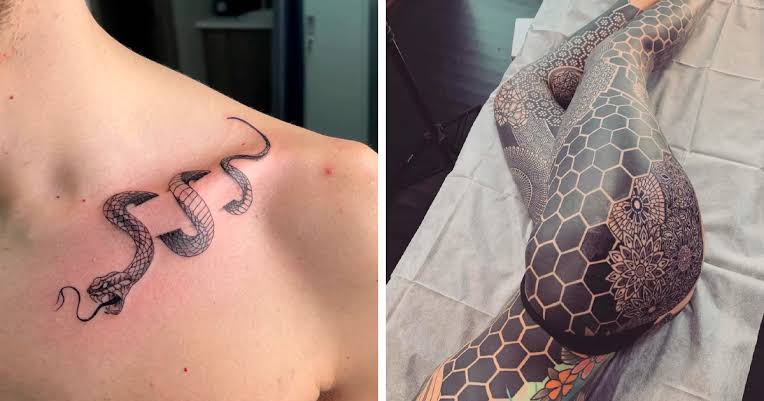
Body modification culture has evolved into a sophisticated discipline where ancient traditions meet contemporary artistic expression.
Among the vast spectrum of body art themes, animal tattoo designs remain a perennial favorite, capturing the raw power, grace, and symbolic resonance of the natural world.
From fierce predatory fictions to delicate botanical wildlife integrations, the portrayal of fauna on skin requires a specialized understanding of human anatomy, movement, and permanence.
Modern practitioners seek out structured education, including comprehensive tattoo classes online, to refine their linework and compositional techniques.
The Cultural Significance of Wildlife Art
The appreciation and preservation of creative works involving fauna reflect broader cultural values across societies.
Government initiatives, such as those documented by the Australian Government Department of Infrastructure, Transport, Regional Development, Communications and the Arts, highlight how visual expressions and traditional motifs contribute significantly to national heritage and creative economies.
Within the realm of body modification, animal symbolism serves as a personal totem, representing resilience, freedom, protection, or ancestral connection.
Artists drawing inspiration from these motifs often study digital archives and historical references, or examine visual breakdowns such as the How to Draw Animal Tattoos video guide to better understand how structural forms translate onto human skin.
Core Elements of Wildlife Composition
Translating living anatomy onto a curved, dynamic canvas like the human body presents unique technical hurdles. Artists must account for muscle flexion, skin aging, and long-term ink spread. Crafting exceptional pieces involves several critical considerations:
- Anatomical Flow: Designs must follow the natural contours of the body, utilizing muscle groups to enhance the illusion of movement rather than fighting against human morphology.
- Line Weight Variation: Bold outlines anchor the piece and ensure longevity, while delicate interior shading provides texture, depth, and realism.
- Negative Space Utilization: Leaving areas un-inked prevents visual muddying over time and highlights the primary focal points of the subject.
- Color Theory and Longevity: Selecting pigments that complement diverse skin tones ensures that vibrant hues maintain their integrity years after healing.
Technical Mastery and Modern Adaptation
The standard of modern body art has risen dramatically alongside technological innovations in equipment and pigment manufacturing.
Contemporary creators routinely explore advanced rendering methods, transitioning from traditional paper sketches to digital rendering software optimized for stencil creation. Mastering these techniques requires dedication, patience, and access to proper mentorship programs.
As the industry continues to professionalise, institutions and independent academies provide targeted training modules that address everything from machine calibration to bloodborne pathogen safety and artistic composition.
By bridging classical fine art principles with modern tattooing technology, the next generation of visual practitioners ensures that animal imagery remains a powerful, timeless cornerstone of human storytelling and personal expression.
