
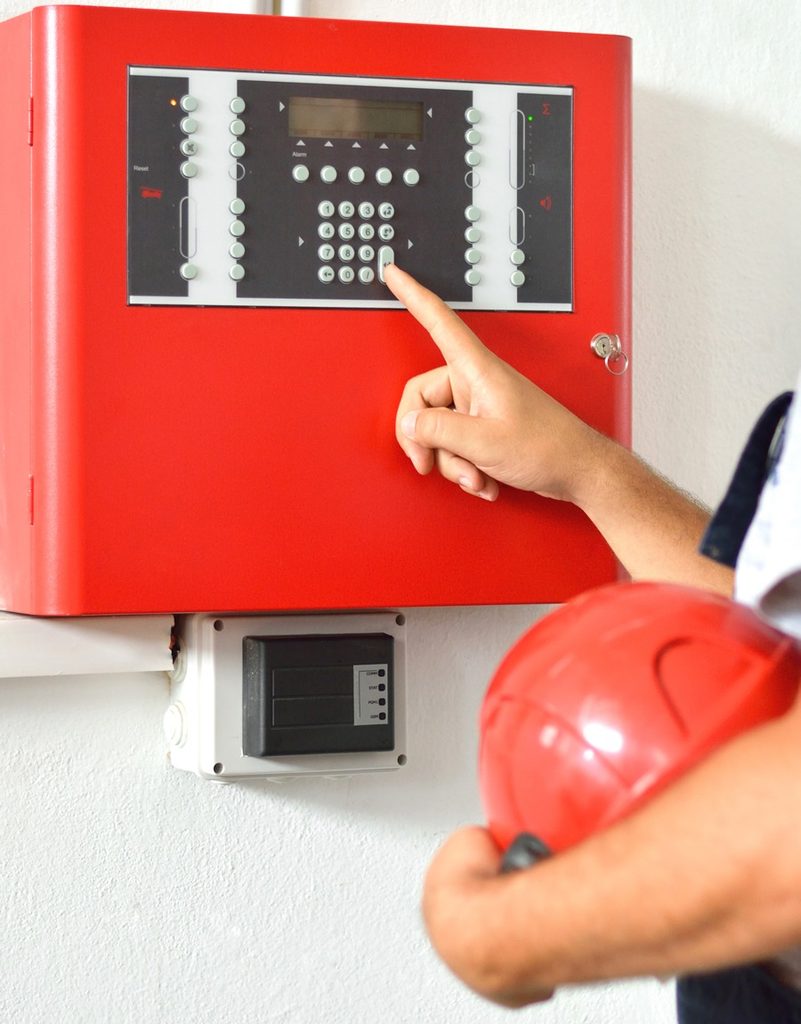
When an electrical emergency occurs, having the right safety systems already in place can make a significant difference. A power failure, fire, evacuation, or medical emergency can create confusion quickly, particularly in commercial buildings, care facilities, schools, and industrial premises. Emergency systems are designed to provide communication, visibility, and assistance when normal building services cannot be relied upon.
For businesses searching for Emergency systems Telford, the focus should not only be on installing equipment but also on choosing systems that suit the building, its occupants, and the risks associated with the property. Professional design, installation, inspection, and maintenance can help ensure that essential safety equipment remains ready when it is needed.
What Are Emergency Systems?
Emergency systems are specialist electrical and communication installations intended to support people during unexpected situations. They can include emergency lighting, disabled refuge communication, disabled toilet alarms, and patient or nurse call systems.
Although these installations are particularly common in commercial and industrial environments, certain systems can also be useful in residential properties, especially buildings that accommodate elderly, disabled, or vulnerable occupants.
A properly planned system should be easy to identify and operate. It should also be installed with the building’s layout and normal evacuation procedures in mind.
Emergency Lighting for Safe Movement
One of the most important elements of building safety is emergency lighting. If the main electricity supply fails, people still need enough illumination to move safely through corridors, stairways, exits, and other areas.
Emergency lighting systems can automatically switch to an alternative power source when the normal supply is interrupted. The lighting is generally designed to provide sufficient visibility for occupants to find their way towards a safe exit.
Directional illuminated signs can also help identify escape routes. This becomes particularly important in larger buildings where visitors or employees may not immediately know which route to follow.
Regular inspection and testing are essential because an emergency lighting system that has not been maintained may not perform as expected during a genuine power failure.
Disabled Refuge Alarms and Communication
Evacuation can present additional challenges for people who cannot safely use stairs without assistance. In many multi-storey buildings, lifts may be unavailable during a fire or other emergency, leaving designated refuge areas as an important part of the evacuation strategy.
Disabled refuge alarm systems provide a method of communication between refuge points and a central location, such as reception or a control point. A person waiting in a designated area can use the communication system to alert staff or emergency responders.
These systems can be positioned around locations such as stairwells and lift lobbies, depending on the building’s design and evacuation arrangements.
Communication equipment must be installed appropriately and maintained so that it remains usable when required. Fire-resistant cabling and suitable equipment can form part of a properly designed installation.
Disabled Toilet Alarm Systems
Accessibility and safety go hand in hand. A disabled toilet alarm provides an additional means of requesting assistance if someone experiences difficulty inside an accessible toilet.
A typical installation may include a pull cord positioned within reach, together with an external indicator light and audible alarm. Larger buildings may also connect these alarms to a central panel so that staff can be notified from a reception or monitoring area.
The system needs to be positioned correctly and tested regularly. Staff should also understand what the alarm indicates and how assistance should be provided when it activates.
Patient and Nurse Call Systems
Healthcare environments have different communication requirements from offices or warehouses. Hospitals, care homes, medical centres, and similar facilities may require patient or nurse call systems to help occupants request assistance.
Depending on the installation, a patient may activate a call using a handset, button, or pull cord. The activation can then trigger a local indicator while simultaneously communicating the call to a central panel.
This helps staff identify where assistance is required without relying entirely on verbal communication or someone physically reaching a reception desk.
For care environments, dependable call systems can therefore form an important part of the overall electrical and communication infrastructure.
Benefits of Professional Emergency System Installation
Investing in professionally designed emergency systems offers several practical benefits.
1. Improved Occupant Safety
Emergency lighting and communication equipment can help people respond more effectively when normal building services are disrupted.
2. Better Emergency Communication
Refuge alarms and call systems provide dedicated communication channels for people who may need assistance.
3. Greater Accessibility
Disabled toilet alarms and refuge communication systems can help buildings provide safer facilities for people with additional mobility requirements.
4. Support for Evacuation Procedures
Clear emergency lighting and directional signs can help occupants identify suitable routes during a loss of normal lighting.
5. Ongoing Reliability
Installation is only one part of emergency system management. Regular servicing and testing can help identify faults before an emergency occurs.
Why Maintenance Should Not Be Overlooked
Even a professionally installed system can develop problems over time. Batteries can deteriorate, electrical connections can become faulty, indicators may stop working, and equipment can be damaged during normal building activities.
For this reason, emergency systems should form part of a property’s wider inspection and maintenance programme.
Electrical contractors may also provide related inspection services covering areas such as fixed electrical installations, fire alarms, emergency lighting, and portable electrical equipment.
Businesses considering Electrical Services Telford can therefore benefit from working with a contractor capable of looking at the wider electrical infrastructure rather than treating each safety system as an isolated installation.
How Often Should Emergency Equipment Be Checked?
There is no single testing schedule that applies identically to every building and every system. The appropriate inspection and maintenance arrangements depend on the type of equipment, building use, installation requirements, and applicable standards or guidance.
For example, emergency lighting requires appropriate testing to confirm that it operates when the normal power supply is unavailable. Communication and alarm systems should similarly be checked to ensure that signals, indicators, power supplies, and other components remain functional.
A professional contractor can help a building owner establish a suitable maintenance programme and identify any faults requiring attention.
Choosing Emergency Systems for a Telford Property
Different buildings have different requirements. A small commercial property may primarily need emergency lighting and accessible toilet alarms, while a care facility could require a more extensive patient call arrangement.
Before installation, an electrical professional can assess factors such as:
- Building size and layout
- Number of floors
- Occupancy levels
- Escape routes
- Accessibility requirements
- Existing electrical infrastructure
- Type of emergency communication required
- Maintenance and testing needs
Taking these factors into account can result in a system that is more practical and appropriate for the building.
A Complete Approach to Electrical Safety
Emergency systems should not be viewed separately from the rest of a property’s electrical installation. Lighting, power distribution, fire alarm systems, inspection work, and emergency equipment can all contribute to a safer and more dependable building environment.
An experienced electrical contractor may be able to support a project from initial design through installation and ongoing maintenance. This can simplify the process for property owners and businesses that need several electrical services handled by one professional team.
For organisations in Telford, selecting a contractor with experience across different types of electrical installations can also make future inspection and maintenance easier to manage.
Conclusion
Emergency systems play an important role in helping commercial, industrial, healthcare, and other buildings respond to unexpected situations. Emergency lighting can maintain visibility during a power failure, while refuge alarms, accessible toilet alarms, and patient call systems can provide valuable communication when someone needs assistance.
However, the effectiveness of these systems depends on more than simply having equipment installed. Correct design, professional installation, regular testing, and appropriate maintenance are all important parts of keeping an emergency installation dependable.
If you are reviewing the safety systems within a commercial or public building, professional Emergency systems Telford services can help identify suitable solutions for your property’s specific requirements. Combining emergency equipment with wider Electrical Services Telford can provide a more coordinated approach to electrical safety, maintenance, and building protection.
