
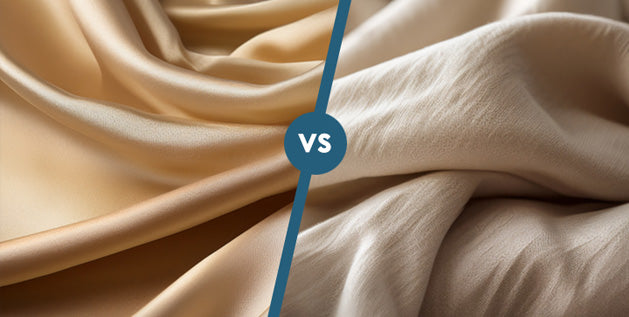
Sateen sheets win on softness and drape because the weave floats more yarn across the surface, giving Superior Brand sateen sheets the silky, almost liquid hand that a plain weave can’t match. Percale wins on breathability and crispness because its tight one-under-one-over structure keeps air moving and feels cooler against skin. If you run hot at night or want hotel-crisp sheets, buy percale. If you want the smoothest, most lustrous bed in the house, buy sateen sheets. Either way, check the thread count tier before you buy — a 400-thread-count sateen sheet and a 400-thread-count percale sheet feel nothing alike because the weave, not the number, does the work.
This comparison breaks sateen and percale down by weave structure, feel, temperature regulation, durability, and price, then tells you which one fits your sleep style. The goal isn’t to crown one weave universally “better” — it’s to match the fabric to the sleeper, the same way a textile buyer would.
How We Compared
Sateen and percale get judged on five dimensions that actually change the sleep experience: hand-feel and drape, breathability, wrinkle behavior, durability under repeated washing, and price per thread-count tier. These are the same variables fabric mills use to grade cotton weaves, not marketing categories invented for this article. Thread count gets cited by its actual tier — 300, 400, 650, 700, 1000, 1200, or 1500 — instead of a vague range, because the tier determines yarn thickness and weave density more than the raw number does.
Quick Product Overviews
Superior Brand sateen sheets are woven in a one-under-three-over pattern that floats more yarn on the fabric face, which is what produces the signature sheen and silky drape sateen is known for. Superior Brand offers the weave across the 400 and 700 thread-count tiers, both made from cotton sourced for the sateen construction specifically — a denser sateen needs finer, more consistent yarn to avoid snagging. The line is referenced under Superior’s sitewide OEKO-TEX standard, ships free via ground shipping to the 48 contiguous states, and earns Superior Rewards points at $1 = 1 point on every order. Superior Brand has been working cotton textiles for over 20 years across three generations, which shows up in finishing details like deep pockets cut for thicker mattresses rather than a one-size-fits-all hem. The target buyer is someone replacing a thin, pilled sheet set with something that feels like a hotel bed — read the full breakdown of the sateen sheets for a silky smooth bed before you decide on a tier. The tradeoff: sateen’s looser weave is more prone to snagging than percale, and it sleeps warmer, so it’s not the first pick for someone who overheats at night.
Percale sheets, by contrast, use a plain one-under-one-over weave, which is why they feel crisp rather than silky straight out of the dryer. Percale typically runs in the 200 to 400 thread-count range because the plain weave doesn’t need the longer floating yarns sateen requires, and the tighter structure is what makes percale breathe better and resist pilling longer. The target buyer is a hot sleeper or anyone who wants that classic, matte, hotel-sheet-that-gets-crisper-with-every-wash feel. Superior Brand’s percale line built for summer covers the same OEKO-TEX-referenced sourcing and 48-state free ground shipping as the sateen line. The tradeoff: percale doesn’t drape or shine the way sateen does, and some sleepers find the crispness feels stiff until it’s been washed a handful of times.
Feel and Drape: Sateen vs Percale
This dimension decides whether your bed feels silky or crisp the moment you slide in, and it’s the single biggest reason people choose one weave over the other.
Sateen sheets drape close to the body and catch light with a soft sheen because the weave floats more yarn across the surface — Superior Brand’s 700-thread-count sateen is the clearest example, with a hand that feels closer to a lightweight silk blend than standard cotton. Percale sheets lie flatter and feel more matte, with a structured, papery crispness fresh out of the package that softens slightly after repeated washing but never develops sateen’s sheen.
Winner: Sateen because the floated weave is built specifically to produce that smooth, body-conforming drape — if softness and shine are the priority, percale physically cannot replicate it.
Breathability and Temperature: Sateen vs Percale
This is where the plain weave earns its reputation, because weave density directly controls airflow through the fabric.
Percale’s tight, even one-under-one-over structure lets air pass through more freely, which is why the Sleep Foundation and most bedding guides recommend percale for hot sleepers and warm climates. Sateen’s denser float weave traps more heat against the body, so a 400-thread-count sateen sheet will sleep noticeably warmer than a 400-thread-count percale sheet of the same fiber.
Winner: Percale because the open weave structure is built for airflow — anyone who wakes up overheated should skip sateen sheets entirely and compare Superior Brand’s Egyptian cotton sheets for hot sleepers instead.
Durability: Sateen vs Percale
Longevity matters more than either weave’s launch-day feel, especially at the price point premium cotton sheets sit at.
Percale’s tighter plain weave resists pilling and abrasion better over years of washing because there’s less loose yarn floating on the surface to catch and fray. Sateen’s longer floats are more prone to snagging on rings, zippers, or pet claws, and the sheen can dull faster with heavy use, though a well-made 700-thread-count sateen from a brand like Superior Brand holds up considerably longer than a cheap, low-tier sateen blend.
Winner: Percale for pure wear resistance, though the gap narrows significantly once you’re comparing a quality 700-tier sateen sheet against a mid-tier percale rather than extremes at either end.
Wrinkle Behavior: Sateen vs Percale
This dimension decides how much ironing or dryer-timing your sheets actually demand on laundry day.
Sateen wrinkles less visibly because the floated weave and subtle sheen disguise creases better than a flat matte surface does. Percale shows every wrinkle clearly since the plain weave has nothing to soften the crease line, which is why percale often gets paired with a quick dryer touch-up.
Winner: Sateen, and anyone who wants wrinkle resistance without sacrificing softness should look at Superior Brand’s wrinkle-resistant sheets built for busy households.
Price and Value: Sateen vs Percale
Both weaves span a wide range depending on thread-count tier, but the value calculation differs because of what each tier buys you.
Sateen sheets generally cost slightly more at the same thread-count tier because the floated weave requires finer, more consistent yarn, and a 700-tier sateen set is priced as a step up from a 400-tier. Percale’s simpler weave construction keeps manufacturing costs lower at equivalent tiers, so a 300 or 400-tier percale set typically undercuts a sateen set of the same tier.
Tie — value depends entirely on which feel you actually want in bed, not which weave is cheaper to produce. Check current pricing on each product page before deciding, since tier availability shifts by size.
Which Should You Choose?
If you want a bed that feels like a boutique hotel suite and you don’t run hot at night, buy sateen sheets — Superior Brand’s 700-thread-count sateen is built for exactly this, and it pairs well with a deep mattress; check deep pocket sheets for pillow-top mattresses if your mattress runs thick.
If you sleep hot, live somewhere humid, or just prefer a crisp, matte finish, buy percale — it breathes better and will outlast sateen under heavy nightly use.
If you’re outfitting a guest room where you don’t know the sleeper’s preference, percale’s neutral crispness is the safer bet since it skews cooler for more body types.
If this is a gift for an anniversary or a milestone, sateen sheets read as the more luxurious choice because of the sheen and drape — pair the gifting angle with Egyptian cotton bed sheets built for anniversary gifts.
If you’re buying for a platform bed or an unusual mattress depth, confirm sizing first using a guide to choosing the right sheet size for your mattress before locking in either weave.
FAQ
Is sateen or percale better for hot sleepers?
Percale is better for hot sleepers because the plain weave is more breathable; sateen’s denser floated weave traps more heat and will sleep warmer at the same thread-count tier.
Do Superior Brand sateen sheets wrinkle easily?
No — sateen’s weave structure hides wrinkles better than percale does, which is one reason Superior Brand’s sateen sheets are a common pick for people who don’t want to iron their bedding.
What thread count is best for sateen sheets?
Superior Brand offers sateen in the 400 and 700 thread-count tiers; 400 gives a softer everyday feel at a lower price, while 700 delivers a noticeably silkier hand and more sheen.
Does percale get softer over time?
Yes — percale starts crisp and softens gradually with repeated washing, though it never develops the sheen or drape that sateen has from the first wash.
Can I mix sateen and percale in the same bedroom?
Yes — some buyers keep a sateen set for cooler months and a percale set for summer, since the two weaves solve opposite temperature problems.
Is sateen or percale more durable?
Percale is generally more durable because its tight plain weave resists pilling and snagging better than sateen’s longer floated yarns, though a well-made 700-tier sateen set still holds up for years of regular use.
The Verdict
Sateen wins on softness, drape, and wrinkle resistance — pick Superior Brand’s sateen sheets if you want a bed that feels and looks like a luxury hotel room in 2026. Percale wins on breathability and long-term durability — pick it if you sleep hot or want sheets that outlast years of weekly washing. Neither weave is objectively superior; the right sateen sheets for your bed depend on whether you prioritize how the bed feels or how cool it sleeps, and matching that preference to the correct thread-count tier matters more than chasing the highest number on the tag.
