
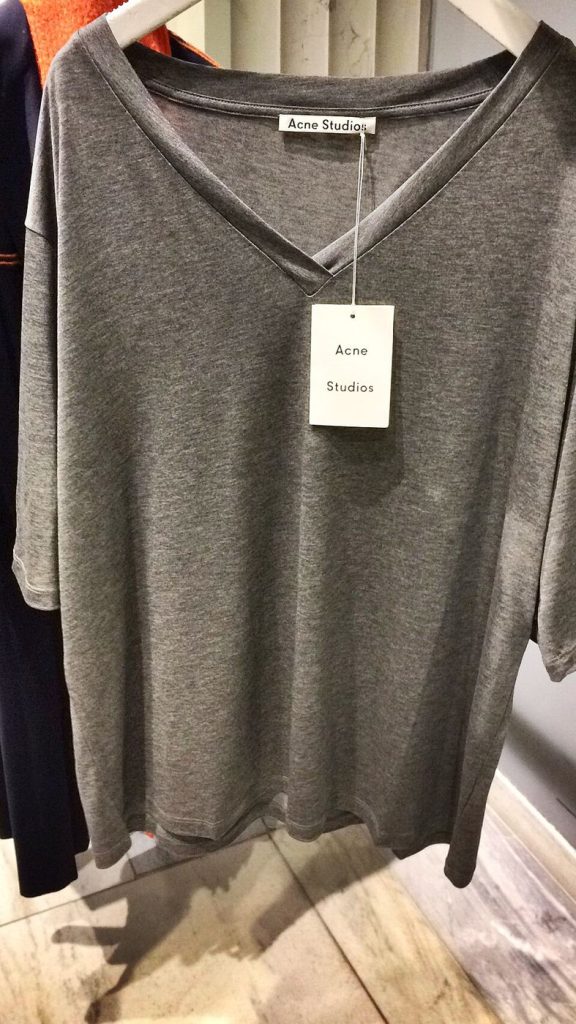
Starting an apparel business involves more than choosing fabrics and designing a first collection. Customers encounter a brand through product photos, packaging, social posts, email replies and sometimes a small card tucked into an order. When those details feel connected, even a new label can come across as considered and trustworthy. The goal is not to make every touchpoint identical, but to give them a consistent point of view.
Begin with a clear brand foundation
Before ordering labels or planning a launch, write down what the business stands for and who it is meant to serve. A useful foundation is specific: perhaps the clothing is designed for commuters who want comfortable layers, or for people who prefer expressive prints and limited runs. “Quality for everyone” is too broad to guide decisions on its own.
Choose a few practical brand cues to carry that idea forward. These might include a small color palette, a consistent type style, a particular way of photographing garments, and a voice that sounds warm, technical, playful or understated. The cues should be easy to apply when time is short. A compact style sheet can keep product listings and social graphics coherent, even if more than one person creates them.
Make the product experience match the promise
Branding cannot compensate for an unclear size chart or a garment that does not match its photos. Provide accurate measurements, fabric details and care instructions, and explain how a piece is intended to fit. If the cut is oversized or a material may change after washing, say so plainly. Clear information helps customers make a better choice and reduces avoidable returns.
Packaging is another chance to show care without overspending. A neat mailer, a readable care card and secure folding can feel more thoughtful than layers of decorative material. Choose packaging that suits the product and shipping conditions, then test it before sending orders at scale. A beautiful insert is of little use if it becomes creased or illegible in transit.
Use printed materials with a purpose
A business card can still be useful for a designer meeting a boutique buyer, attending a local market or including contact details with a wholesale sample. It should make the next step obvious: a website, an email address or a QR code that leads somewhere useful. Keep the design legible and avoid squeezing in every social account and slogan.
Before you prepare a business card for printing, check the printer’s specifications for finished dimensions, bleed, safe areas, color mode and file format. Sizes vary by country, so confirm the standard your printer expects rather than relying on a template from another region. Osdire’s business card size guide explains the measurements and setup details to review, including space around important text. Order a proof or a small batch first; colors and small type can look different on paper than on a screen.
Build visibility through useful content
For a small label, content works best when it answers real customer questions or shows the work behind a collection. A short guide to caring for linen, a fit comparison across two cuts, or a look at how a print was developed can be more valuable than repeated sales announcements. Consistent, useful updates help people understand what makes the business distinct without asking them to buy in every post.
Guest articles can extend that conversation to readers who do not yet know the brand. Look for publishers whose audience genuinely overlaps with your subject—such as sustainable materials, personal style, local manufacturing or small-business design. A broad directory like iCopify’s publisher listings can help with initial research across different topics, but each site still needs to be assessed individually. Check its recent articles, audience, editorial standards and whether it accepts the kind of practical piece you can offer.
Pitch an article that stands on its own rather than disguising a product announcement as advice. A discussion of choosing durable everyday fabrics, for example, should explain trade-offs and care needs, not simply declare one material superior. Useful writing earns attention more naturally, and readers can decide for themselves whether the brand is relevant to them.
A simple review before launch
Before publishing a campaign or shipping a new collection, check the details from a customer’s perspective:
- Does the product description answer basic questions about fit, fabric and care?
- Do images and written claims accurately represent the item?
- Are contact details and links current and easy to read?
- Does packaging protect the product without creating unnecessary waste?
- Does the content offer something useful beyond a promotion?
These small checks are manageable even for a one-person business, and they catch the kinds of inconsistencies that can weaken trust.
Conclusion
A memorable apparel brand is built through repeated, thoughtful decisions: a clear point of view, honest product information, practical printed materials and content that respects the reader’s time. None of these details needs to be elaborate. When each one supports the same promise, customers have a clearer reason to remember the label—and a more confident experience when they choose to buy.
