
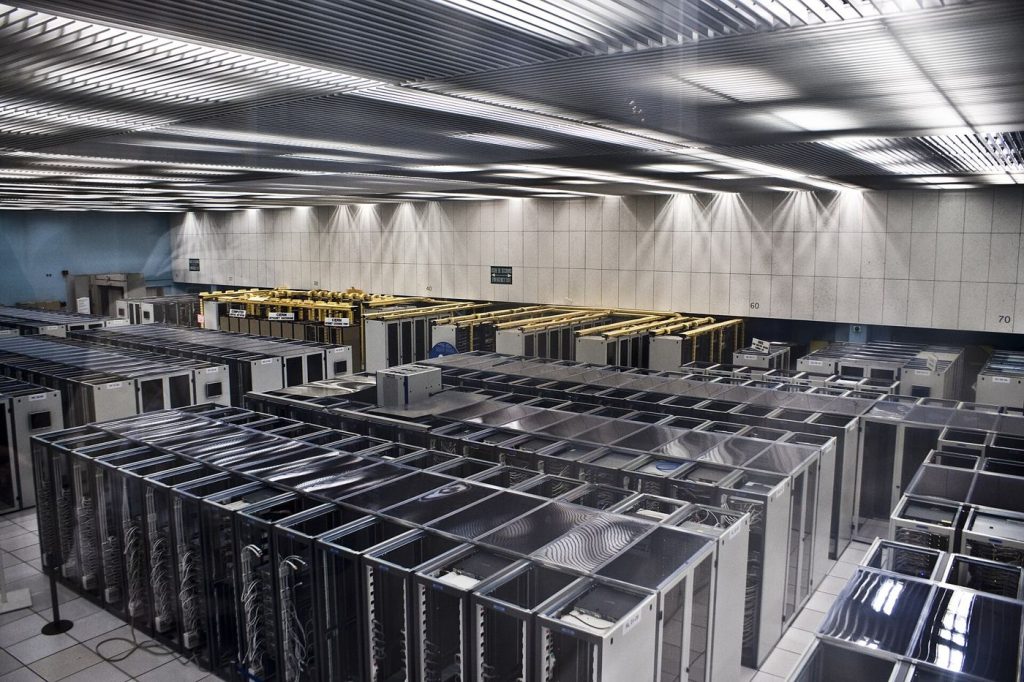
Artificial intelligence has a power bill, and it is growing fast. The International Energy Agency estimated that the world’s data centres used about 415 terawatt-hours of electricity in 2024, roughly 1.5 percent of all the electricity humanity consumes, and in an update published in April 2026 it reported that consumption had risen 17 percent in a single year to about 485 terawatt-hours in 2025. The agency’s central forecast sees demand roughly doubling to about 950 terawatt-hours by 2030, close to 3 percent of global electricity, with AI-focused data centres tripling over the same period. A single large AI training run can consume as much electricity as thousands of homes, and the newest data centres draw as much power as a small city. The United States and China account for almost 80 percent of the expected increase.
What the Evidence Shows
The energy demand is now one of the biggest constraints on the AI boom. Tech companies are signing deals to buy nuclear power, building gas plants and reviving old power stations to feed their data centres, while utilities warn that grids in some regions cannot keep up. At the same time, the industry points out that AI itself can save energy, by optimising power grids, designing more efficient buildings and accelerating the discovery of new materials for batteries and solar panels. The IEA notes that the energy used per AI task has fallen sharply, but total demand keeps rising because the number of tasks grows even faster. The question is no longer whether AI will reshape the energy system, but whether the energy system can grow fast enough to keep up with AI. Reporting and analysis from sources such as MIT Technology Review track the same developments, and specialists following AI data centre electricity demand say the direction is now consistent across independent lines of evidence.
The Wider Context
The wider context is an industry learning to ship capability and restraint together. Products built around AI data centre electricity demand now launch with safety evaluations, usage data and rollback plans as standard, because enterprise buyers and regulators ask for them in the first meeting. Companies that treated those questions as friction are discovering they have become the purchase criteria.
What Happens Next
What happens next for AI data centre electricity demand depends less on another breakthrough than on the unglamorous work of reliability, pricing and support. The buyers evaluating it now are not enthusiasts; they are operators with budgets and auditors, and their checklists will decide the timeline. On the evidence of the current pilots, the technology has earned the right to be judged by them. You can follow related developments in our coverage of technology.
There is a practical lesson in all of this for readers deciding what to do today. Start with the verified facts, be wary of anyone promising certainty, and prefer reversible steps while the evidence is still developing. Circumstances differ by country, income and personal situation, so general guidance should always be weighed against your own context before you act on it in any significant or lasting way.
