
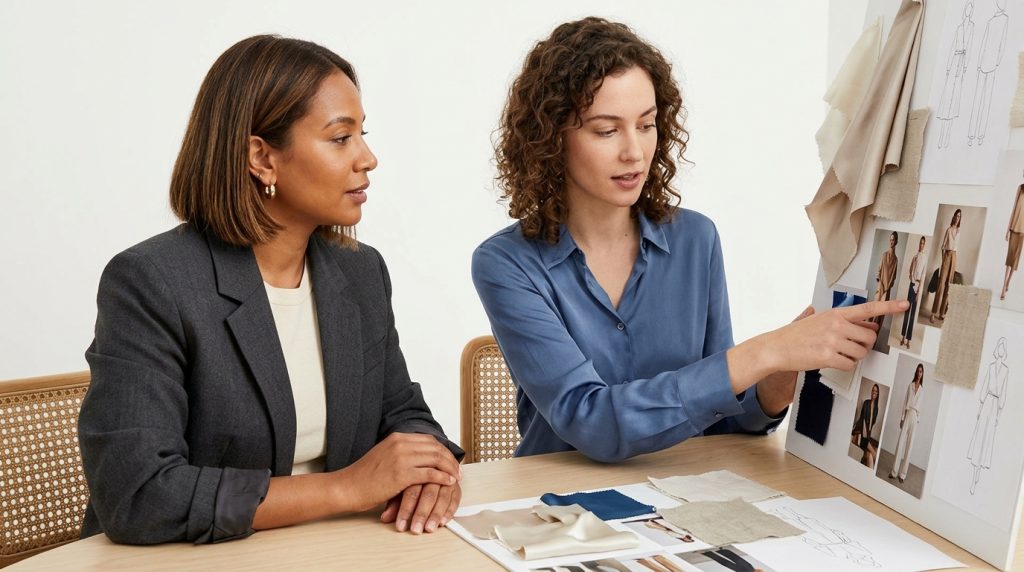
Personal style has evolved beyond simply following trends. Today, individuals seek clothing that reflects their personality, lifestyle, and professional image. This shift has increased the importance of collaboration between apparel designers and Personal Fashion Stylist professionals. While designers focus on creating garments that balance creativity, functionality, and market demand, stylists help clients select and wear those pieces in ways that complement their unique preferences and body types. Many professionals also work as an Image Consultant, helping clients create a complete personal image through fashion, grooming, and wardrobe planning. Together, they bridge the gap between design concepts and real-world fashion choices.
Understanding Apparel Design and Personal Styling
Apparel design is the process of creating clothing that combines aesthetics, comfort, fabric selection, construction techniques, and functionality. Designers research market trends, consumer behavior, and textile innovations before developing collections that appeal to different audiences. However, even the most thoughtfully designed garments achieve their full potential only when styled effectively.
A Personal Fashion Stylist helps individuals build wardrobes that suit their lifestyle, career, body shape, and fashion goals. Rather than encouraging every trend, stylists focus on selecting pieces that enhance confidence while maintaining practicality. An experienced Image Consultant often complements this process by advising on color analysis, accessories, and overall presentation. Their combined expertise transforms apparel from a simple product into a personalized fashion experience.
How Personal Fashion Stylists Influence Apparel Design
Personal Fashion Stylist professionals provide valuable feedback that can shape future clothing collections. Because they work directly with clients, they understand common concerns related to fit, comfort, color preferences, and versatility. These real-world insights help apparel designers develop garments that better meet customer expectations.
Stylists also identify recurring wardrobe challenges, such as finding clothing suitable for multiple occasions or selecting designs that flatter different body types. Sharing this knowledge with designers contributes to collections that are more inclusive and wearable across diverse audiences. Likewise, an Image Consultant can offer insights into how clothing supports personal branding across different lifestyles and professions.
Creating Functional and Stylish Wardrobes
A successful wardrobe balances style with functionality. Apparel designers create garments with specific purposes, while stylists combine these pieces into complete outfits that work for everyday life.
For example, a designer may create a structured blazer as part of a seasonal collection. A Personal Fashion Stylist demonstrates how the same blazer can be paired with tailored trousers for business meetings, jeans for casual outings, or dresses for evening events. This versatility increases the value of apparel and helps consumers make more informed purchasing decisions.
Improving Customer Confidence
One of the most significant contributions of a Personal Fashion Stylist is helping clients feel confident in their clothing choices. Many shoppers feel overwhelmed by the variety of styles available or struggle to determine which designs suit them best.
An experienced Image Consultant further supports clients by refining their overall appearance, ensuring that clothing, accessories, and personal presentation align with their goals. Through personalized recommendations, stylists simplify the shopping experience while encouraging clients to invest in garments that suit their needs.
Supporting Sustainable Fashion Choices
Sustainability has become an important focus within the fashion industry. Apparel designers increasingly incorporate eco-friendly materials, ethical manufacturing processes, and timeless designs into their collections.
Personal Fashion Stylist professionals contribute to sustainable fashion by encouraging clients to build versatile wardrobes instead of frequently purchasing fast-fashion items. By recommending quality garments that can be styled in multiple ways, they help reduce unnecessary consumption while maximizing the lifespan of clothing.
Trend Interpretation Instead of Trend Following
Fashion trends change quickly, but not every trend suits every individual. Apparel designers often introduce seasonal concepts inspired by cultural influences, runway collections, and emerging consumer preferences.
A Personal Fashion Stylist interprets these trends for individual clients rather than applying them universally. Working alongside an Image Consultant, they identify which elements complement a client’s existing wardrobe and suggest practical ways to incorporate current styles without sacrificing personal identity. This thoughtful approach makes fashion more accessible and wearable.
Collaboration Between Designers and Stylists
Many fashion brands benefit from close collaboration between designers and stylists throughout product development and marketing. Designers create collections that express the brand’s creative vision, while stylists showcase how those garments can be worn in everyday situations.
This partnership improves lookbooks, advertising campaigns, fashion events, and online product presentations. Consumers gain inspiration for styling apparel, making purchasing decisions easier and more confident.
Businesses that specialize in quality apparel design often benefit from insights provided by experienced Personal Fashion Stylist professionals and Image Consultant experts, as their client-focused perspective helps create clothing that resonates with modern consumers.
The Future of Fashion Styling and Apparel Design
Technology continues to transform both apparel design and personal styling. Digital fitting tools, virtual consultations, AI-powered wardrobe recommendations, and online styling services are making personalized fashion more accessible than ever.
Despite these innovations, human expertise remains essential. Designers continue to rely on creativity and craftsmanship, while Personal Fashion Stylist professionals and Image Consultant specialists provide personalized guidance that technology alone cannot fully replace. Their combined expertise ensures that fashion remains both innovative and deeply personal.
Conclusion
The relationship between apparel design and personal styling has become increasingly important in today’s fashion industry. Designers create clothing that reflects creativity, quality, and functionality, while a Personal Fashion Stylist helps individuals wear those designs with confidence and purpose. An Image Consultant further enhances this process by aligning fashion choices with a client’s personal and professional image. Together, they improve customer satisfaction, support sustainable fashion practices, and ensure that clothing serves both aesthetic and practical needs. As fashion continues to evolve, collaboration between designers, stylists, and image consultants will remain essential for creating meaningful and lasting style experiences.
