
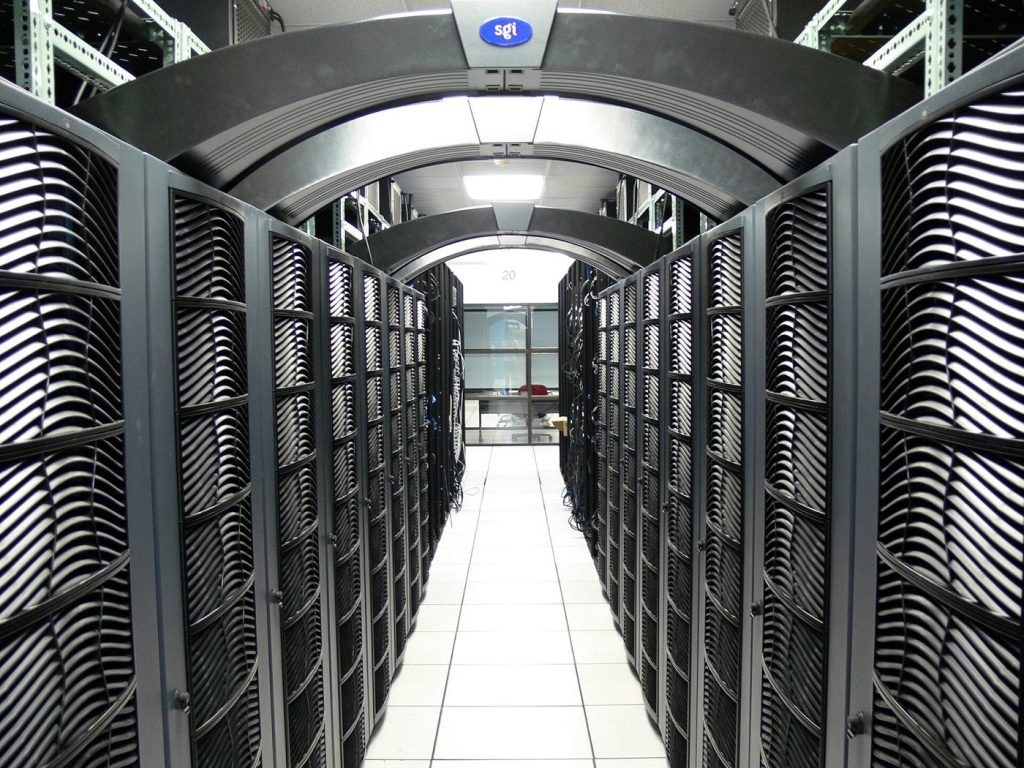
SpaceX outlined plans on 12 November for more than 74 billion dollars of investment in two giant AI supercomputing campuses in the United States, with over 24 billion dollars earmarked for Texas and about 50 billion dollars for Cochise County in Arizona. The campuses would house the computing power needed to train and run advanced artificial intelligence models, part of a wider race among technology companies to build ever-larger data centres. Planned investment on this scale would make the sites among the largest AI infrastructure projects ever proposed. The announcement underlines how the AI boom is reshaping not only software, but the physical landscape of power, land and construction. Training a single frontier AI model can require the computing power of tens of thousands of accelerators running for months, which is why the race to build data centres has become so intense.
What the Evidence Shows
The Arizona project still requires local approvals and faces community concerns about its impact, a reminder that proposed spending is not the same as built infrastructure. Across the United States, residents near planned data centres are raising questions about electricity demand, water use and the strain on local grids. On 3 November, voters favoured limiting data-centre development in 40 of 41 local ballot measures tracked, showing how strongly some communities feel. Whether SpaceX’s campuses go ahead, and in what form, will depend on permits, power agreements and local consent as much as on the company’s ambitions. Power supply is often the deciding factor, since a large campus can consume as much electricity as a small city, and grid operators must approve every new connection. Reporting and analysis from sources such as MIT Technology Review track the same developments, and specialists following SpaceX’s proposed AI supercomputing campuses say the direction is now consistent across independent lines of evidence.
The Wider Context
The wider context is an industry learning to ship capability and restraint together. Products built around SpaceX’s proposed AI supercomputing campuses now launch with safety evaluations, usage data and rollback plans as standard, because enterprise buyers and regulators ask for them in the first meeting. Companies that treated those questions as friction are discovering they have become the purchase criteria.
What Happens Next
What happens next for SpaceX’s proposed AI supercomputing campuses depends less on another breakthrough than on the unglamorous work of reliability, pricing and support. The buyers evaluating it now are not enthusiasts; they are operators with budgets and auditors, and their checklists will decide the timeline. On the evidence of the current pilots, the technology has earned the right to be judged by them. You can follow related developments in our coverage of technology.
There is a practical lesson in all of this for readers deciding what to do today. Start with the verified facts, be wary of anyone promising certainty, and prefer reversible steps while the evidence is still developing. Circumstances differ by country, income and personal situation, so general guidance should always be weighed against your own context before you act on it in any significant or lasting way.
