
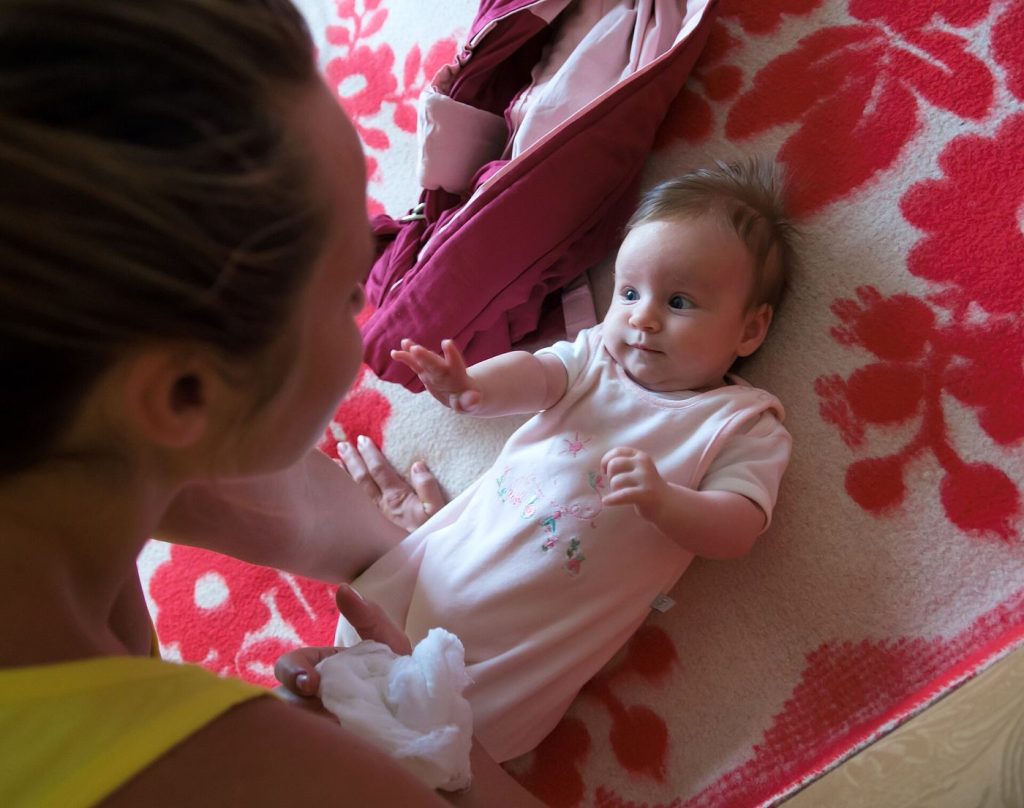
A telehealth tool for assessing infant development has matched the gold-standard in-person method in a new study from UC Davis Health. The tool, called TEDI, short for Telehealth Evaluation of Development for Infants, allows an examiner to assess a baby’s development over video. In the study, published in the Journal of Clinical Child and Adolescent Psychology, 111 infants were assessed both in person and over telehealth within one month, and the scores from the two methods were broadly consistent. The infants included 33 with a family history of autism and 51 with a family history of ADHD. The babies were assessed at six, nine, twelve or eighteen months of age, and each child was seen through both methods within a month so that the comparison would be fair. The study was announced on November 13, and the researchers say the results were consistent across the different ages and family backgrounds in the sample.
What the Evidence Shows
The result matters because early developmental checks can be hard to reach for families who live far from specialist clinics or who struggle to attend appointments. Many caregivers in the study said their infants were more comfortable being assessed at home, which may itself improve the quality of the assessment. Lead author Meagan Talbott said the findings show telehealth can be a valid and reliable way to run early developmental assessments. The researchers stress that TEDI is a research tool, not a cleared diagnostic device, and a follow-up study pairing assessments with parent coaching is already under way. Early identification matters because support given in the first years of life can make a lasting difference, and delays in assessment often mean delays in help for families who need it most. For rural families, the ability to be assessed from home could remove long journeys to distant clinics and reduce waiting times for appointments. Reporting and analysis from sources such as British Psychological Society track the same developments, and specialists following the telehealth tool for assessing infant development say the direction is now consistent across independent lines of evidence.
The Wider Context
Practitioners working with the telehealth tool for assessing infant development emphasise fit over fashion. A technique that transforms one person’s routine can be useless or worse for another, and assessment, what problem, whose life, what constraints, is what separates professional guidance from the generic advice that floods social feeds. The research increasingly studies that matching process itself.
What Happens Next
For readers, the balanced conclusion on the telehealth tool for assessing infant development is that small, well-matched changes beat dramatic overhauls, and that any technique deserves a fair trial of a few weeks before judgement. The studies support patience with the process and scepticism toward promises. That combination, unglamorous as it sounds, is what the evidence actually recommends. You can follow related developments in our coverage of psychology.
It is also worth remembering how quickly the picture in this area has changed before. Positions that looked settled a few years ago have been revised as new data arrived, and the same humility is appropriate now. The strongest coverage of this subject, and the most useful advice, tends to come from sources that update their views openly when the facts move, rather than defending an earlier position long after it has stopped fitting the evidence available.
