
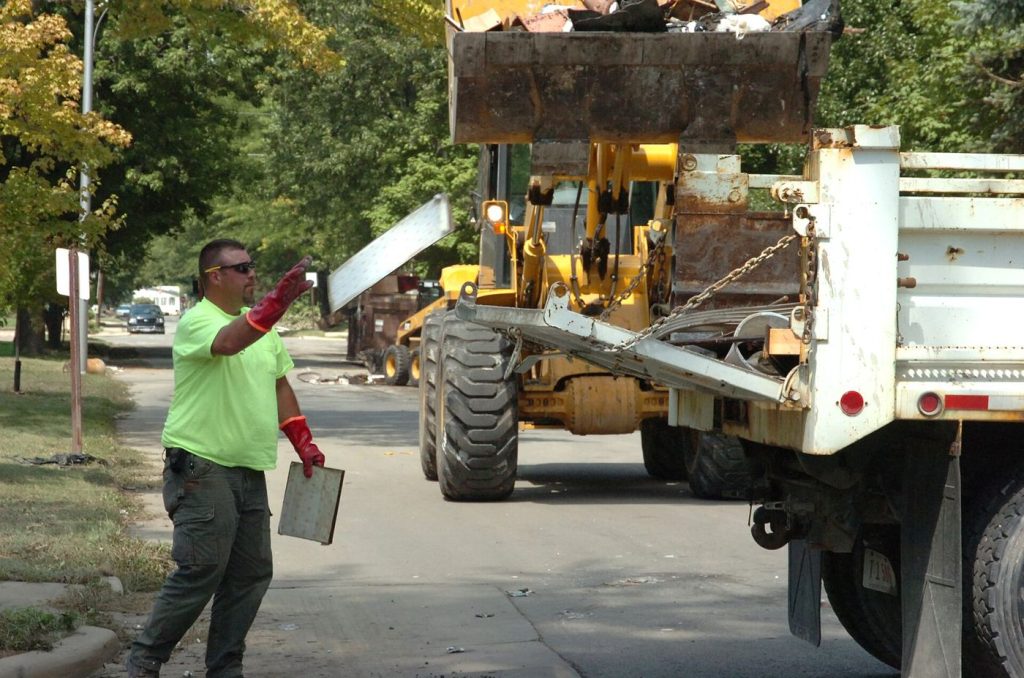
Cleanup crews have been clearing flooded streets, blocked drains, and debris left behind after heavy rainfall overwhelmed parts of the drainage network. Workers pump standing water from underpasses, sweep silt from pavements, and check homes and businesses where water entered ground floors. Local officials urge residents to stay away from remaining floodwater, which can hide open drains and carry contamination from sewers and roads. Electricity and gas suppliers work alongside emergency teams to make damaged properties safe before repairs begin. For many households, the immediate priority is drying belongings and documenting damage for insurance claims. Schools and community centres in affected areas often serve as support hubs, offering charging points, hot drinks, and a place to obtain advice while homes are made habitable again.
What the Evidence Shows
Community volunteers often join the recovery, helping neighbours move furniture, clean schools and clinics, and distribute food where kitchens remain unusable. Health officials advise thorough hand washing, protective gloves during cleanup, and discarding food that has contacted floodwater. Councils face questions after each flood about drain maintenance, building on flood plains, and investment in defences and natural water storage upstream. Engineers caution that no single measure prevents all flooding during extreme rain. What communities consistently ask for is faster warnings, clearer information during an event, and support that continues after the water recedes. Local councils say lessons from this cleanup will feed into updated flood plans, including where to pre position pumps and sandbags before forecast storms arrive in the months ahead this winter. Reporting and analysis from sources such as Reuters track the same developments, and specialists following flooded street cleanup and recovery say the direction is now consistent across independent lines of evidence.
The Wider Context
The wider context is a public conversation conducted at a speed institutions were not built for. Developments around flooded street cleanup and recovery are announced, contested and revised within a single news cycle, and the officials involved have learned to publish evidence alongside claims so that scrutiny can actually occur. Trust, the polling suggests, follows that transparency more than it follows confidence.
What Happens Next
What happens next in the story of flooded street cleanup and recovery will be decided in the places where it is being implemented, measured and argued about in public. The officials and organisations involved have committed to publishing progress data, and that commitment gives residents, businesses and journalists something firmer than promises to judge. The next milestones are dated, which means they can be checked. You can follow related developments in our coverage of news.
There is a practical lesson in all of this for readers deciding what to do today. Start with the verified facts, be wary of anyone promising certainty, and prefer reversible steps while the evidence is still developing. Circumstances differ by country, income and personal situation, so general guidance should always be weighed against your own context before you act on it in any significant or lasting way.
