
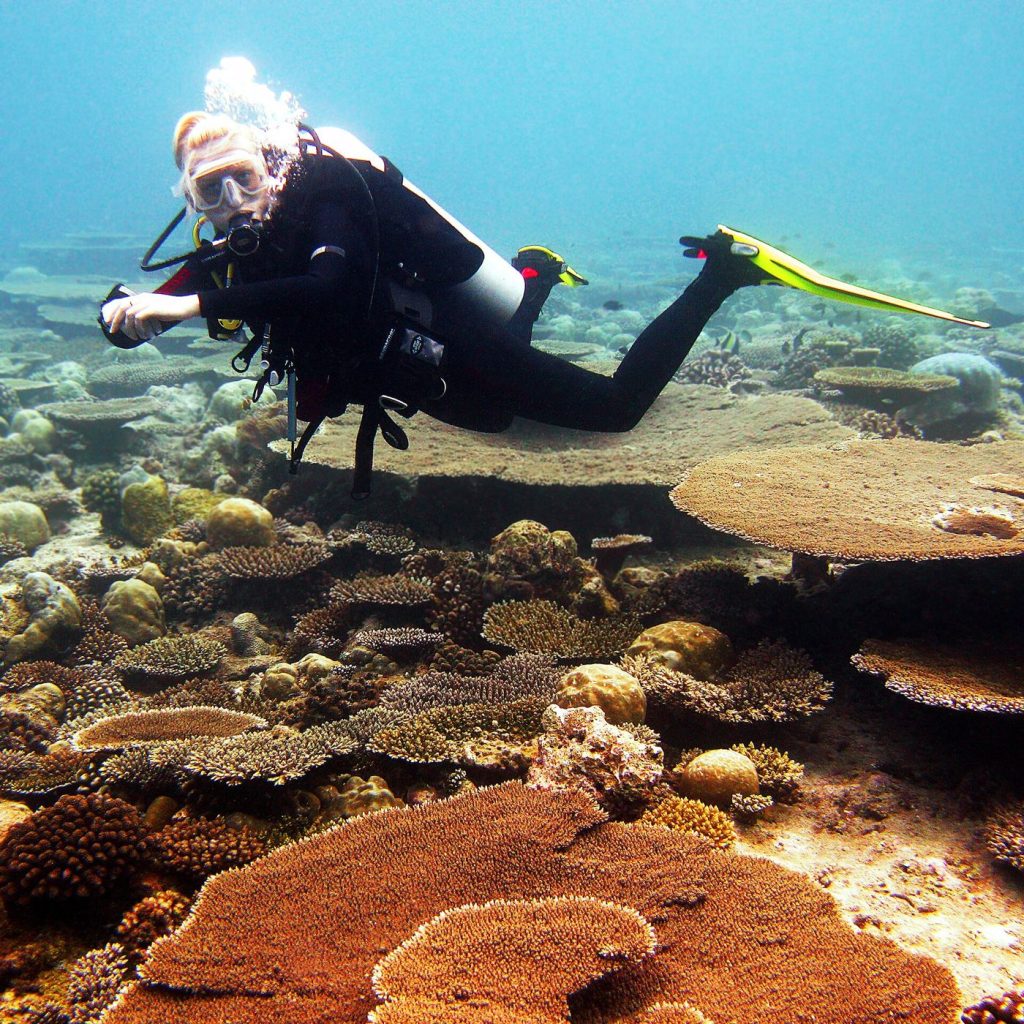
Divers planting heat-tolerant coral fragments on damaged reefs are reporting survival rates well above earlier trials, raising hopes for large-scale restoration work. The development has moved quickly from specialist discussion into the mainstream, and marine biologists say the pace of change is now hard to ignore. For readers encountering coral reef restoration for the first time, the basic picture is straightforward: decisions taken this year will shape outcomes for much longer than a single news cycle. That is why the story has drawn attention well beyond its usual audience, and why it features in our latest science coverage this week.
The Background Behind the Story
Many reefs lost large areas of living coral after repeated marine heatwaves bleached colonies faster than they could recover between events. Behind the headlines, coral reef restoration touches everyday concerns such as cost, safety, time and trust, which helps explain the intensity of the public response. Marine biologists argue that early, honest communication matters as much as the underlying policy, product or finding itself. Critics, meanwhile, warn against reading too much into early signals and ask for transparent data before firm conclusions are drawn. Both sides agree on one point: the effects will be felt unevenly, and the groups affected first are rarely those with the loudest voice in the debate.
What Experts Are Seeing
Surveys published this year found restored sections supporting young fish and recovering coral cover within two seasons, provided water quality nearby also improved. Reporting and analysis from Nature has helped separate confirmed findings from speculation, a distinction that matters when claims spread quickly online. Specialists stress that coral reef restoration should be judged on measured outcomes over months, not on a single announcement or a single dataset. Where results are promising, they point to consistent patterns across different places and groups; where results disappoint, they say the setbacks are themselves useful, because they show which assumptions need testing again before more money and attention are committed.
The Road Ahead
The teams now plan to expand planting to new sites while geneticists track which coral families cope best as ocean temperatures keep rising. In the coming months, the milestones to watch are practical ones: published timelines, independent reviews, funding decisions and the first honest progress reports from marine biologists. Observers expect the debate to continue, particularly over who benefits first and who bears the costs while systems adjust. For now, the safest conclusion is a modest one: coral reef restoration is no longer a niche concern, and it will reward readers who follow the evidence rather than the noise.
In short, the story of coral reef restoration is still unfolding, and its final shape will depend on choices made by marine biologists, by institutions and by the public. We will update our reporting as new information is confirmed, and we will correct the record promptly where early reports turn out to have been incomplete or wrong.
It is a pattern specialists in the field recognise well, and one they expect to see repeated as the underlying pressures intensify rather than fade.
