
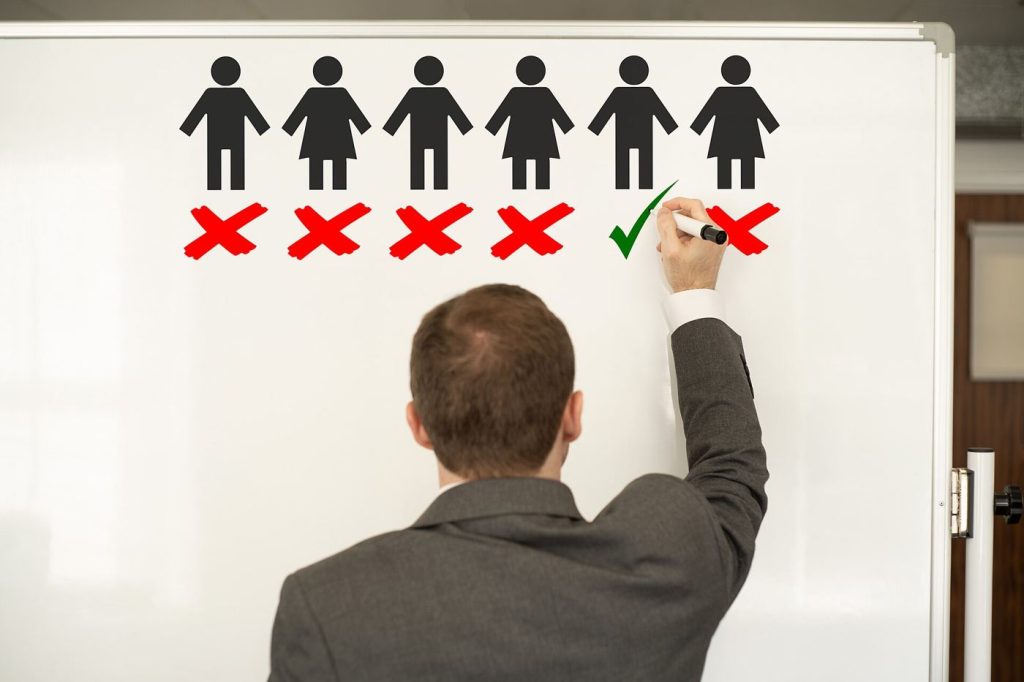
By the evening, even small choices can feel oddly difficult, from what to cook for dinner to which film to watch, and many people find themselves reaching for the easiest option rather than the best one. Psychologists say this is decision fatigue, the gradual wearing down of the mind’s ability to weigh options after a day full of choices. Every decision, however trivial, draws on the same mental resources, and by late in the day those resources run low. The result is not laziness but a tired brain protecting itself, either by avoiding the choice altogether or by grabbing the first option that appears. Researchers note that the effect is strongest on days packed with decisions, from work meetings to family negotiations, and that it affects everyone, whatever their job. By evening, the mind has spent its budget, and even choosing a takeaway can feel like a task too far.
What the Evidence Shows
Experts suggest several ways to ease the load, starting with reducing the number of small decisions the day contains. Routines help, since a regular meal plan or a set outfit for work removes choices that need not be made fresh each day. Important decisions are best made earlier, when the mind is fresh, while evenings are reserved for rest and simple pleasures. Others recommend a short pause before deciding, since a tired mind often mistakes fatigue for dislike. The key insight, psychologists say, is to treat decision-making as a limited resource and to spend it where it matters most. A day with fewer trivial choices leaves more energy for the ones that genuinely deserve careful thought. Another useful habit is deciding some things the night before, so the morning begins with fewer choices to make. Reporting and analysis from sources such as British Psychological Society track the same developments, and specialists following the evening decision fatigue say the direction is now consistent across independent lines of evidence.
The Wider Context
Practitioners working with the evening decision fatigue emphasise fit over fashion. A technique that transforms one person’s routine can be useless or worse for another, and assessment, what problem, whose life, what constraints, is what separates professional guidance from the generic advice that floods social feeds. The research increasingly studies that matching process itself.
What Happens Next
For readers, the balanced conclusion on the evening decision fatigue is that small, well-matched changes beat dramatic overhauls, and that any technique deserves a fair trial of a few weeks before judgement. The studies support patience with the process and scepticism toward promises. That combination, unglamorous as it sounds, is what the evidence actually recommends. You can follow related developments in our coverage of psychology.
It is also worth remembering how quickly the picture in this area has changed before. Positions that looked settled a few years ago have been revised as new data arrived, and the same humility is appropriate now. The strongest coverage of this subject, and the most useful advice, tends to come from sources that update their views openly when the facts move, rather than defending an earlier position long after it has stopped fitting the evidence available.
