
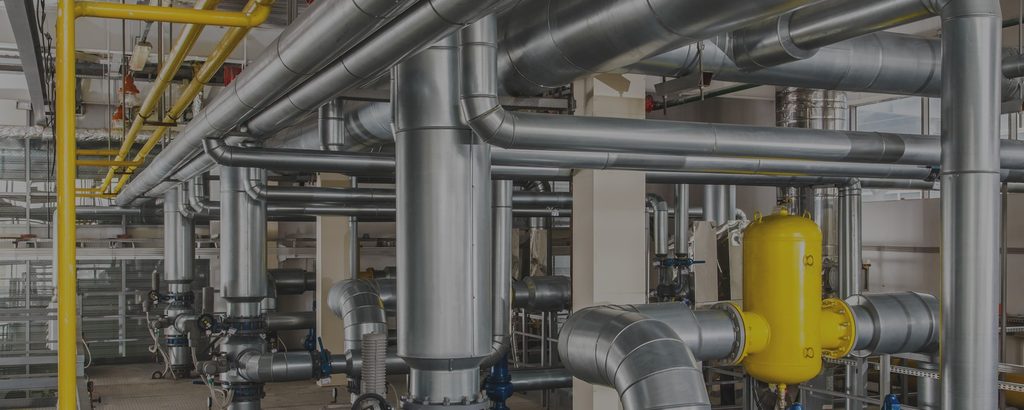
A commercial building relies on many mechanical systems to remain comfortable, functional and productive. Heating keeps occupied spaces warm, ventilation removes unwanted air, air conditioning manages indoor temperatures, and hot-water systems support everyday activities. When one of these services develops a fault, the impact can extend far beyond the equipment itself.
For businesses, mechanical engineering is therefore not simply about fixing a broken component. It can involve surveying an existing installation, designing improvements, installing new equipment, maintaining critical systems and responding when something stops working.
Professional mechanical services Telford can provide businesses with support across these different requirements, covering heating, ventilation, air conditioning, plumbing, pipework, electrical controls and associated mechanical work.
What Are Commercial Mechanical Services?
Mechanical services refer to the technical systems that help a commercial property operate. These systems can range from relatively straightforward heating equipment to larger installations involving boilers, ventilation ductwork, chillers, extraction systems and mechanical controls.
A commercial mechanical project may involve:
- Boilers and water heaters
- Heating systems
- Pipework and plumbing
- Ventilation and extraction
- Ductwork
- Air conditioning
- Chiller systems
- Flues
- Mechanical controls
- Electrical control panels
- Welding and fabrication
Because these systems can interact with one another, understanding the complete installation is important when carrying out repairs or upgrades.
For example, replacing a heating appliance may require changes to pipework, electrical controls, flues or other connected components. Similarly, an air-conditioning installation may need electrical and mechanical coordination before it can operate correctly.
Surveying Before Installation
A successful mechanical installation begins with understanding the property.
Commercial buildings can have restricted plant rooms, complicated pipework routes, limited access and equipment that has been modified over many years. Installing new equipment without considering these conditions can create avoidable complications.
A professional survey can help establish:
- What equipment is currently installed
- Where services enter and leave the building
- Available installation space
- Pipework and ductwork routes
- Electrical requirements
- Access for equipment
- Existing faults or weaknesses
- Potential requirements for future maintenance
The information gathered during a survey can then be used to develop a more practical installation or refurbishment plan.
Heating and Hot-Water Systems
Heating remains one of the most important mechanical services in many commercial properties.
Businesses may need boiler replacement, new water-heater installation, repairs or routine servicing. The appropriate equipment depends on factors such as building size, demand, usage patterns and existing infrastructure.
Commercial water heaters can also be considerably larger than domestic units, which creates additional installation considerations. Equipment may need to be positioned in plant rooms, roof spaces, cellars or other restricted locations.
A mechanical contractor with experience in commercial installations can plan the positioning, pipework and associated services rather than treating the equipment as an isolated component.
Ventilation and Extraction
A comfortable commercial building also needs effective air movement.
Ventilation systems can help introduce fresh air while removing stale, warm or contaminated air. Industrial and commercial environments may additionally require dedicated extraction for fumes or other airborne contaminants.
Mechanical ventilation work can include the installation and servicing of:
Extraction Fans
Fans can be used to remove unwanted air from specific rooms or working areas.
Ductwork
Ducts provide routes for moving air through larger systems and need to be planned around the building’s layout.
Industrial Extraction
Workshops and industrial environments may require targeted extraction close to the source of fumes or airborne contaminants.
Ventilation Controls
Controls can help manage when and how ventilation equipment operates according to the requirements of the building.
Regular servicing is also important because fans, filters, ductwork and other components can deteriorate or become contaminated over time.
Air Conditioning for Commercial Premises
Temperature control is another important aspect of commercial mechanical engineering.
An office with unreliable air conditioning can quickly become uncomfortable during warmer periods. Retail premises, workshops and other commercial environments may also depend on consistent temperature control.
Commercial air-conditioning services can include:
- New system installation
- Planned servicing
- Fault finding
- Repairs
- Replacement of equipment
- System recommendations
- General maintenance
When an air-conditioning system stops working, identifying the cause is important before deciding whether a repair or replacement is necessary.
A professional assessment can look at the condition of the equipment and its associated electrical and mechanical components.
Why HVAC and Mechanical Services Often Overlap
Businesses searching for HVAC specialists Telford may find that heating, ventilation and air conditioning cannot always be treated independently.
These systems all contribute to the indoor environment, and modifications to one service can sometimes affect another.
For instance, improving ventilation may alter the heating or cooling requirements of a room. Installing new air conditioning may require changes to electrical supplies and controls. Replacing a boiler can involve modifications to existing pipework.
Having engineers who understand these connections can make larger commercial projects easier to coordinate.
Pipework, Flues and Plumbing
Mechanical building services extend beyond visible heating and cooling equipment.
Pipework provides essential connections between boilers, water heaters, radiators, pumps and other equipment. Faulty or ageing pipework can cause leaks, pressure problems and inefficient system operation.
Commercial projects may also involve flues, plumbing and specialist pipework. Repairs can range from replacing a damaged section to modifying an existing system for new equipment.
In some projects, mechanical work may also involve welding, steel fabrication or other specialist construction tasks.
Electrical Controls Within Mechanical Systems
Modern mechanical equipment often depends on electrical controls to operate correctly.
Control panels and associated components can regulate equipment and allow different parts of a building system to work together. A fault within the controls can therefore affect heating, ventilation or air conditioning even when the main mechanical equipment appears to be in good condition.
A complete commercial service can incorporate control-panel design and installation alongside mechanical work where required.
This integrated approach can be particularly useful during system upgrades and larger refurbishments.
Repairs When Commercial Equipment Fails
Mechanical faults do not always happen at convenient times.
A heating system may stop working during a cold period, an extraction fan may fail during business hours, or an air-conditioning system may develop a fault when a building is heavily occupied.
Rapid fault finding can help identify the cause and determine what action is required.
Typical problems may include:
- Boiler failures
- Water-heater faults
- Poor heating performance
- Air-conditioning breakdowns
- Failed extraction fans
- Damaged ductwork
- Pipework leaks
- Electrical control faults
- Unusual mechanical noises
- Reduced ventilation
The first step should be identifying the actual cause rather than automatically replacing equipment.
Planned Maintenance for Better Reliability
Emergency repairs are sometimes unavoidable, but planned maintenance can help reduce unexpected problems.
A maintenance programme can include scheduled inspection and servicing of boilers, water heaters, ventilation equipment, air conditioning, pipework, controls and other mechanical systems.
Regular maintenance can help businesses:
- Identify developing faults
- Monitor equipment condition
- Maintain system performance
- Plan replacement work
- Reduce unexpected disruption
- Keep important systems operating reliably
The appropriate maintenance frequency depends on the equipment, building and operating conditions.
Benefits of Professional Mechanical Services
A More Coordinated Approach
One engineering team can potentially manage several connected services, making larger projects easier to organise.
Practical System Design
Site surveys allow proposed installations to account for the actual property rather than relying solely on generic plans.
Support for Existing Buildings
Older commercial properties often contain complicated or modified systems. Experienced engineers can assess the existing installation before recommending changes.
Maintenance and Repair Under One Service
Businesses can use the same engineering expertise for installation, servicing, fault diagnosis and repairs.
Support for Different Commercial Environments
Offices, industrial buildings, workshops, retail premises and other properties can all have different requirements. Mechanical solutions can be developed around the way the building is used.
Choosing Mechanical Specialists in Telford
Before selecting a contractor, businesses should consider whether the company has experience with the type of mechanical systems present on the property.
It is useful to establish whether the contractor can provide support beyond a single installation, including surveying, design, servicing, maintenance and repairs.
For companies looking for mechanical services Telford, this broader capability can be particularly useful when several systems need attention at the same time.
Similarly, businesses searching for HVAC specialists Telford should consider whether the contractor understands the relationship between heating, ventilation, air conditioning and associated electrical controls.
Conclusion
Commercial mechanical systems work quietly in the background, but their importance becomes obvious when something fails. Heating, hot water, ventilation, extraction, air conditioning, pipework and controls all contribute to the day-to-day operation of a commercial property.
Professional mechanical services Telford can cover the complete lifecycle of these systems, from initial surveying and design through to installation, servicing, maintenance and repairs.
For businesses with interconnected heating and cooling requirements, working with experienced HVAC specialists Telford can also provide a practical way to manage several building services through a coordinated engineering approach. The result is a property where essential systems are properly considered, maintained and supported as the building’s needs change.
