
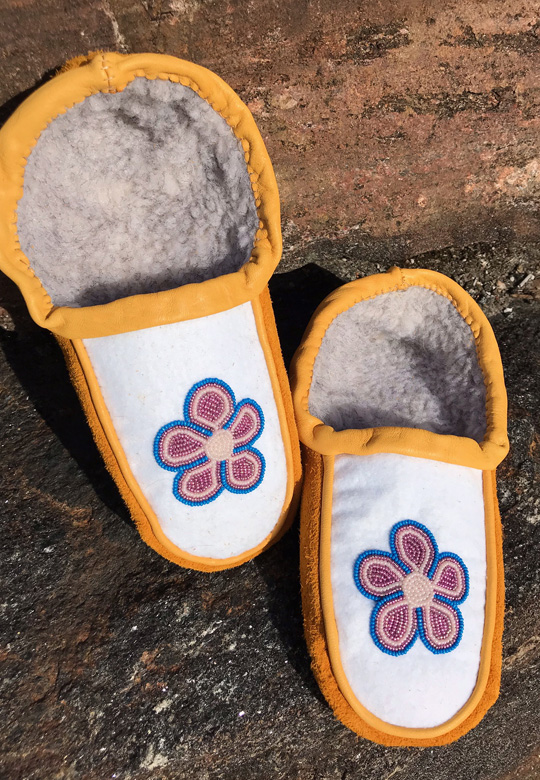
Something is shifting in how people shop for footwear. The attraction toward mass-produced shoes is losing ground as buyers start asking tougher questions about origin and quality. Where did this come from? Who made it? That curiosity has sparked a quiet but steady move toward artisan-made pieces that carry real history and purpose behind every stitch.
The search for meaning in everyday purchases has turned real attention toward traditional Indigenous craftsmanship. Women’s beaded moccasins represent one of the clearest examples of this growing shift taking place across North America. Each pair reflects hours of careful hand-stitching and bead pattern work passed down through generations. Shoppers are simply tired of disposable footwear that falls apart after a few months and offers nothing beyond a price tag.
The Disposable Shoe Problem Nobody Talks About
Built to Break Down Faster Than You Expect: Fast fashion footwear follows a predictable and frustrating cycle that repeats every season. Cheap synthetic materials, glued-together soles, and rushed production lines create shoes meant to last a few months at best. The real cost shows up later when those shoes pile up in landfills and your feet suffer from poor support and thin construction.
What Gets Lost When Speed Replaces Skill: Factory production strips away every trace of individual craft from the finished product. No artisan touches the material. No cultural tradition shapes the design. You end up with footwear that looks like everything else on the shelf and wears out just as fast. The rise of ethical consumerism has made more buyers aware of this wasteful pattern and unwilling to repeat it.
The Hidden Price Tag of Buying Cheap: Most people only look at the sticker price when buying footwear. They rarely factor in replacement costs, foot discomfort, or the environmental toll of constant disposal. A pair of factory shoes replaced three times a year costs more overall than one pair of handcrafted moccasins built to last through years of regular wear. The math favours quality every time.
What Sets Handcrafted Moccasins Apart From the Rest
Durability That Outlasts Trends and Seasons: Handmade moccasins use natural hides and hand-sewn construction that ages well with time. The leather moulds to your foot shape, becoming more comfortable with wear rather than breaking down. This stands in sharp contrast to synthetic shoes that lose structure within weeks of regular use and offer no lasting value to the wearer.
Beadwork That Carries Meaning Beyond Decoration: The patterns on traditional moccasins are not random or purely decorative choices. They reflect specific cultural stories, regional traditions, and the artistic identity of the maker. This kind of intentional design simply cannot be replicated on a factory line. Every pair tells you something real about where it came from and who spent hours creating it by hand.
Materials Chosen for Purpose Not Just Cost: Traditional moccasin makers often work with vegetable-tanned leather and natural dyes that age gracefully over many years of use. These choices come from generations of accumulated knowledge about what works best against skin and across different climates. Fast fashion skips all of that understanding and defaults to whatever raw material costs the least at the time.
When Your Purchase Supports a Living Tradition
- Buying handcrafted moccasins directly funds Indigenous artisans and their families rather than feeding overseas factory operations.
- Each purchase helps preserve beadwork techniques and leather-working methods that have survived for centuries across communities.
- Authentic craftsmanship reduces waste because well-made goods do not need frequent replacement throughout the year.
- Choosing cultural pieces over mass-produced shoes sends a clear market signal that quality and heritage still matter to today’s buyers.
Connecting Buyers to the Hands Behind the Work: There is a different feeling entirely when you know exactly who made what you are wearing on your feet. Handcrafted moccasins come with that connection built right in from the start. The artisan’s skill shows in every bead and stitch, and that relationship between maker and buyer carries value that no factory process can replicate.
Why the Maker’s Story Changes Your Experience: Knowing the cultural background behind a pair of moccasins adds depth to the wearing experience. It shifts footwear from a disposable commodity into something personal. That story stays with the product and perhaps even gets passed along when the moccasins are gifted. Mass-produced shoes carry no such narrative and never will, no matter how clever the marketing gets.
Spending That Goes Somewhere Meaningful: Paying more upfront for handmade footwear saves money over the long run, and that is just the financial side. Disposable shoes need replacing often, and those costs stack up faster than most people realise. Investing in craftsmanship means fewer purchases, less waste, and the knowledge that your money supported real artisans working within a real cultural tradition.
Step Into Something Worth Wearing
The gap between mass-produced shoes and handcrafted moccasins grows wider every year. Choosing cultural craftsmanship means choosing durability, heritage, and real purpose over throwaway convenience. If your next pair of shoes should carry more than just a brand label, explore authentic handmade moccasins today and feel what generations of true artisanship bring to every step.
