
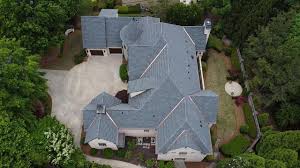
Most homeowners understand the importance of maintaining major systems such as plumbing, electrical components, and HVAC equipment. However, the exterior of a home is often overlooked until a visible problem appears. By the time a leak, water stain, or structural issue becomes noticeable, the damage may already be extensive.
A home’s exterior serves as its first line of defense against the elements. The roof, siding, gutters, flashing, and drainage systems work together to protect the structure from rain, wind, temperature fluctuations, and everyday wear. Taking a proactive approach to exterior maintenance can help homeowners avoid costly repairs while extending the lifespan of critical components.
The Hidden Cost of Delayed Maintenance
Many exterior issues begin as minor defects that are easy to miss. A loose shingle, a clogged gutter, or a small gap around flashing may seem insignificant, but these small problems can create pathways for moisture intrusion.
Water is one of the most destructive forces a home can face. Once moisture penetrates the building envelope, it can affect insulation, wood framing, drywall, and even indoor air quality. Because these issues often develop slowly, homeowners may not realize a problem exists until repairs become much more expensive.
Regular inspections can identify developing concerns before they escalate into major projects.
Understanding How Exterior Systems Work Together
One of the most common misconceptions among homeowners is that roofing, gutters, and siding function independently. In reality, they operate as an integrated system.
For example, a roof is designed to direct water toward gutters. Gutters then channel that water away from the home’s foundation. If gutters become clogged or damaged, water may overflow and affect siding, fascia boards, landscaping, and even the foundation itself.
Similarly, properly installed flashing around chimneys, vents, and roof transitions helps prevent water from entering vulnerable areas. When any component fails, neighboring systems often experience additional stress.
This interconnected nature is why comprehensive exterior inspections are so valuable.
Key Areas Homeowners Should Monitor
While professional inspections are important, homeowners can also perform basic visual checks throughout the year.
Look for warning signs such as:
- Missing or damaged shingles
- Granules collecting near downspouts
- Sagging gutter sections
- Water stains on ceilings or walls
- Cracked or deteriorated caulking
- Loose siding panels
- Mold or mildew growth on exterior surfaces
- Standing water near the foundation
- Visible storm damage after severe weather
Addressing these issues early can often prevent more extensive repairs later.
The Role of Storm Damage Assessments
Weather events can affect a home’s exterior even when damage is not immediately visible. Wind may loosen shingles, hail can compromise roofing materials, and heavy rain can expose drainage weaknesses.
After significant storms, homeowners should consider having their property evaluated by experienced professionals who understand how to identify subtle signs of damage. Early detection allows repairs to be completed before moisture intrusion or structural deterioration develops.
In many cases, an assessment can also help homeowners understand the overall condition of their exterior systems and prioritize future maintenance needs.
Choosing a Qualified Exterior Contractor
Finding the right contractor is one of the most important decisions a homeowner can make when planning repairs or upgrades.
Rather than focusing solely on price, homeowners should evaluate factors such as:
Experience and Expertise
Contractors with extensive experience in roofing and exterior systems often provide more accurate assessments and recommendations.
Comprehensive Services
Working with a company that understands roofing, gutters, siding, and related components can help ensure that repairs address the root cause of a problem rather than just the symptoms.
Clear Communication
A reliable contractor should explain findings, outline options, and provide realistic expectations regarding timelines and costs.
Commitment to Quality
Proper installation practices, quality materials, and attention to detail all contribute to the long-term performance of exterior improvements.
Homeowners researching exterior renovation, roof replacement, storm damage restoration, or preventive maintenance can gain useful insight by reviewing the services and project approach offered by Ideal Roofing and Exteriors, particularly when comparing what to look for in a qualified exterior contractor. Their focus on roofing, inspections, and exterior protection reflects many of the best practices homeowners should prioritize when evaluating service providers.
Long-Term Benefits of Proactive Care
Preventive maintenance provides benefits that extend beyond avoiding repairs.
Some of the most significant advantages include:
- Extending the lifespan of roofing materials
- Improving energy efficiency
- Protecting structural components from moisture damage
- Preserving curb appeal
- Maintaining property value
- Reducing the likelihood of emergency repairs
A well-maintained exterior can also make future upgrades easier and more cost-effective because underlying systems remain in better condition.
Creating a Simple Annual Maintenance Plan
Homeowners do not need an overly complex strategy to keep their property in good shape. A simple annual plan can go a long way toward preventing problems.
Consider scheduling:
- Spring exterior inspection
- Summer gutter cleaning
- Fall roof and drainage evaluation
- Post-storm assessments when necessary
- Prompt repair of any identified issues
Consistency is often more important than complexity. Small maintenance efforts performed regularly can significantly reduce the risk of major repairs.
Conclusion
Protecting a home requires more than reacting to visible problems. The most successful homeowners understand the value of proactive maintenance and regular inspections. By paying attention to roofing, gutters, siding, drainage, and other exterior components, homeowners can prevent minor issues from becoming major expenses.
A well-maintained exterior not only protects the structure itself but also helps preserve comfort, efficiency, and long-term property value. Taking action before problems develop is often the simplest and most effective way to safeguard one of life’s largest investments.
