
Personal style reflects confidence, personality, and attention to detail. A stylish appearance does not always require expensive clothing, designer brands, or a completely new wardrobe. Small changes to everyday outfits can create a noticeable difference and help anyone look more polished, confident, and fashionable.
Building a better wardrobe starts with understanding what suits your body, choosing versatile clothing, and learning how to combine different pieces. Simple improvements, such as wearing well-fitted clothes, selecting suitable colors, and adding thoughtful accessories, can transform ordinary outfits into stylish looks. With a few practical adjustments, you can refresh your appearance without spending too much money.
Read More: Why These Neutral Color Combos Always Look So Polished
Choose Clothes That Fit Properly
Well-fitted clothing creates an immediate improvement in your overall appearance. Even expensive outfits may look untidy when they are too tight or excessively loose. Choosing clothes that fit comfortably around your shoulders, waist, and legs helps create a balanced and polished look.
Pay attention to the length of trousers, sleeve measurements, and the overall shape of shirts, dresses, and jackets. Minor tailoring adjustments can make affordable clothing look more refined. Instead of following every fashion trend, choose pieces that complement your body shape and allow comfortable movement throughout the day.
Build a Wardrobe Around Basic Essentials
A practical wardrobe begins with versatile basics that work well together. Plain T-shirts, classic jeans, neutral trousers, button-down shirts, comfortable sweaters, and simple jackets can create numerous outfit combinations. These essentials remain useful across different seasons and suit many occasions.
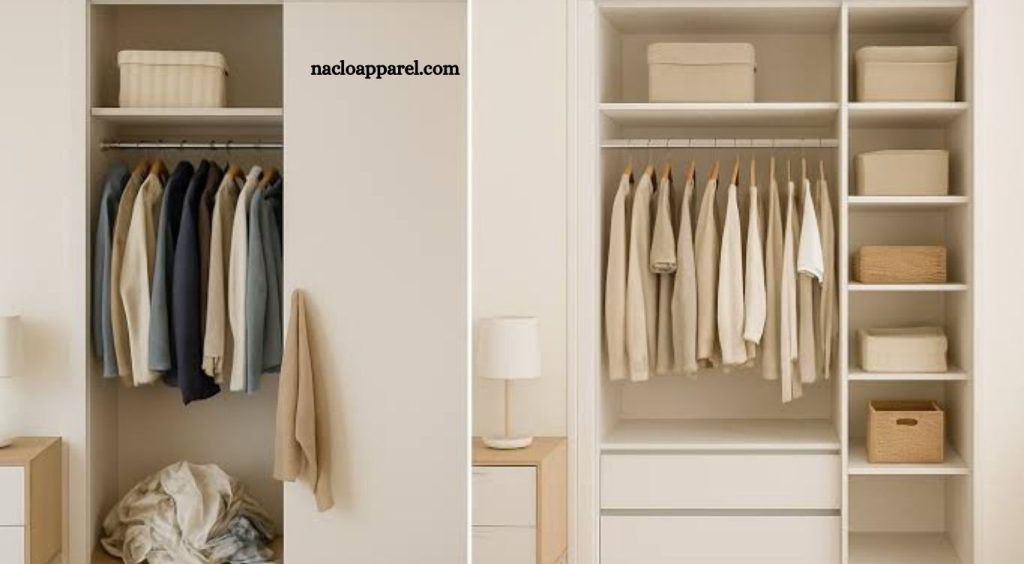
Choose quality basics in colors such as black, white, navy, beige, and grey. These shades are easy to combine with brighter colors and statement pieces. Investing in versatile essentials reduces unnecessary shopping and makes daily outfit selection faster. A smaller collection of useful clothing can often deliver better results than a crowded wardrobe filled with items you rarely wear.
Experiment With Colors That Suit You
Color plays an important role in creating an attractive outfit. Wearing shades that complement your skin tone, hair color, and personal preferences can help you feel more confident. Neutral colors provide a reliable foundation, while brighter shades introduce personality and visual interest.
Start by combining two or three complementary colors within a single outfit. For example, a white shirt with navy trousers creates a clean appearance, while a beige sweater paired with dark denim offers a relaxed, modern style. You can also introduce color through scarves, handbags, shoes, or other accessories without changing your entire wardrobe.
Upgrade Your Look With Simple Accessories
Accessories can make basic clothing feel more distinctive. A stylish watch, a simple necklace, a belt, or a structured handbag can add character to an otherwise ordinary outfit. The key is choosing accessories that complement your clothing rather than competing for attention.
Avoid wearing too many statement pieces simultaneously, especially when your outfit already includes bold patterns or bright colors. Select one or two accessories that enhance your overall appearance. Matching the formality of your accessories with the occasion also helps create a more coordinated look, whether you are dressing for work, casual outings, or special events.
Keep Your Clothes Clean and Well-Maintained
Clean, wrinkle-free clothing can improve your appearance without requiring any new purchases. Wrinkled shirts, faded fabrics, loose threads, and damaged buttons may make an outfit look neglected. Regular clothing care helps maintain the quality and appearance of your favorite pieces.
Follow washing instructions, store clothes properly, and use an iron or steamer when necessary. Repair small problems before they become more noticeable, and remove items that no longer fit comfortably or remain in good condition. Clean shoes also make a meaningful difference, particularly when wearing otherwise simple outfits.
Find the Right Balance Between Comfort and Style
Comfortable clothing makes it easier to look confident throughout the day. Tight waistbands, uncomfortable shoes, and restrictive fabrics can affect posture and make even an attractive outfit feel unsuitable. Choosing breathable materials and comfortable fits helps you maintain a relaxed appearance.
Consider your daily activities before selecting an outfit. Lightweight cotton works well for many casual settings, while structured fabrics can create a more formal appearance. Comfortable sneakers, well-fitted trousers, and versatile outerwear can help you achieve a stylish look without sacrificing practicality.
Learn to Layer Your Clothing
Layering adds depth and interest to outfits while making your wardrobe more adaptable. Combining a T-shirt with an open shirt, lightweight jacket, cardigan, or blazer can transform a simple base outfit into something more polished. Layering also allows you to adjust your clothing according to changing temperatures.
Start with a lightweight base and add one or two complementary layers. Pay attention to proportions so the outfit does not appear bulky or unbalanced. Combining different textures, such as denim, cotton, knitwear, and structured fabrics, can make an outfit look more thoughtful without relying on bold patterns or expensive items.
Choose Shoes That Complement Your Outfit
Shoes influence the overall impression of an outfit. Clean sneakers, classic loafers, simple flats, ankle boots, or formal shoes can each serve different styling needs. Selecting footwear that matches the occasion helps create a more coordinated appearance.
Begin with a few versatile pairs that suit your lifestyle and existing clothing. Neutral footwear often works well with multiple colors and styles. Keep shoes clean, replace damaged laces, and repair worn soles when practical. Comfortable, well-maintained footwear can make even a basic outfit appear more complete.
Create a Personal Style That Reflects Your Personality
Fashion becomes more useful when it reflects your personal taste rather than simply copying trends. Some people prefer minimalist outfits, while others enjoy colorful clothing, vintage pieces, sporty looks, or elegant formalwear. Identifying your preferred style makes shopping decisions easier and helps create a consistent wardrobe.
Review the clothes you wear most often and identify common colors, fits, and designs. Save inspiration from fashion magazines or online style platforms, then adapt good ideas to your budget and lifestyle. You do not need to follow every trend to look fashionable. Confidence and consistency often matter more than wearing the latest designs.
Plan Outfits Before Shopping
Thoughtful shopping helps prevent unnecessary spending and makes your wardrobe more functional. Before purchasing new clothing, check what you already own and identify missing essentials. You may discover that a different combination of existing pieces creates the fresh look you want.
Choose new items that work with at least several pieces in your current wardrobe. Consider fabric quality, comfort, durability, and how frequently you will wear each item. Avoid purchasing clothing simply because it is trending. A carefully planned wardrobe saves time, reduces clutter, and makes it easier to create outfits for different occasions.
Frequently Asked Questions
How can I upgrade my wardrobe without spending much money?
Combine existing clothes creatively, choose versatile basics, and add affordable accessories.
Which wardrobe essentials should everyone own?
Basic T-shirts, well-fitted jeans, neutral trousers, classic shirts, and versatile jackets are useful essentials.
How does proper clothing fit improve appearance?
Well-fitted clothing creates balanced proportions and makes your overall look more polished.
Which colors are best for everyday outfits?
Black, white, beige, navy, and grey are versatile colors that pair easily with other shades.
Can accessories improve a simple outfit?
Yes, watches, belts, handbags, and simple jewelry can add style and personality.
How can I make old clothes look fashionable?
Try new outfit combinations, experiment with layering, improve garment care, and add suitable accessories.
How can I develop my personal fashion style?
Choose clothing that reflects your personality, suits your lifestyle, and makes you feel comfortable and confident.
Conclusion
Simple wardrobe changes can make a significant difference in your overall appearance without requiring expensive clothing or frequent shopping. Choosing well-fitted outfits, wearing suitable colors, adding stylish accessories, and keeping clothes in good condition can help you look more polished and confident. By combining existing pieces creatively and developing a personal style, you can create attractive outfits for different occasions. Focus on comfort, quality, and simplicity to build a versatile wardrobe that enhances your everyday look.
