
Why Nepal Offers More Than a Mountain Trek
Most people picture one thing when they think about trekking in Nepal: a wall of snow peaks and a worn-out grin at the end of a long day. That picture isn’t wrong. It just leaves out most of the story. The trails run through rhododendron forest, along stone-walled fields, under strings of prayer flags and into family-run lodges where dinner comes out of a kitchen that’s also somebody’s living room. The mountains are only half the trip.
Picking a route is where most people get stuck. The Everest Base Camp Trek, Annapurna Base Camp Trek, Langtang Valley Trek and Manaslu Circuit Trek all look fantastic in photos, but they feel very different once you’re actually walking them. This guide covers the scenery, the communities you’ll meet, where you’ll sleep, how guided packages work and what to sort out before you land in Kathmandu.
Understanding Nepal’s Different Trekking Regions
Everest Region: High Mountains and Sherpa Heritage
The Khumbu is the Nepal most people imagine. Big, sharp peaks, Sherpa villages perched on hillsides, Buddhist monasteries and teahouses that fill up with trekkers from all over. It’s high, cold at night and the air gets thin, so the altitude shapes every day of the walk.
Annapurna Region: Changing Landscapes and Village Hospitality
Annapurna packs a lot of variety into short distances. One day you’re in forest, the next beside a river valley, and then suddenly out in the open with the peaks right in front of you. Gurung and Magar villages dot the trails, and the welcome tends to be warm. There are shorter and longer options here, which suits both first-timers and people with more mileage in their legs.
Langtang Region: Forests, Alpine Views and Tamang Culture
Langtang sits close to Kathmandu but feels a world away. Trails climb through forest into open alpine country, passing small mountain settlements shaped by Tamang traditions and Buddhist influence. It’s generally quieter than some of the better-known regions, which many walkers appreciate.
Manaslu Region: Remote Trails and Himalayan Traditions
Manaslu is the wilder one. Facilities are simpler, the landscape is dramatic and the culture leans strongly Tibetan, with monasteries and villages that feel a long way from the main trekking circuit. It’s a restricted area, so you can’t just turn up and start walking. Permits and a guide are part of the deal.
Four Major Nepal Treks and What Makes Each One Different
Everest Base Camp Trek: Walking Through the Heart of the Khumbu
The Everest Base Camp Trek follows the Khumbu valley up through some of the most famous places in Himalayan trekking. You’ll pass through Namche Bazaar, the busy Sherpa trading town where most people take an acclimatisation day, then continue to Tengboche Monastery, with its big mountain backdrop, and on to Dingboche and Gorakshep.
Take the acclimatisation days seriously. Rushing is the quickest way to feel awful up high. Lodges are teahouses of the simple kind, and the higher you go, the plainer they get. Expect a long, steady, sometimes tough walk rather than a technical climb.
Annapurna Base Camp Trek: A Journey Into a Mountain Sanctuary
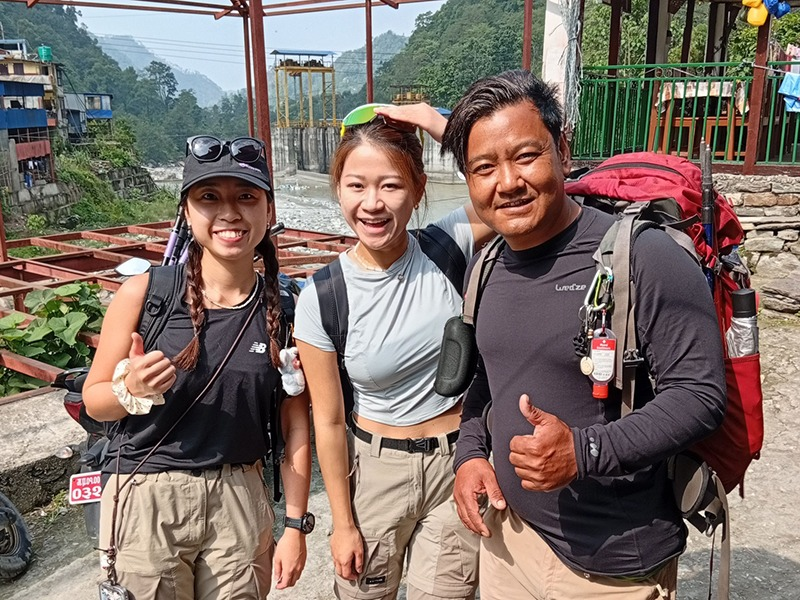
The Annapurna Base Camp Trek starts among terraced hills and Gurung villages, then pushes up through forest into a high basin ringed by peaks. Machhapuchhre, with its pointed summit, and the Annapurna massif dominate the views as you get closer.
The trail has plenty of stone steps, which sounds harmless until your knees disagree. Teahouses are common and range from very basic to quite comfortable lower down. Conditions change with the season, so ask about the trail before you set off.
Langtang Valley Trek: Mountain Life, Forest Trails and Tamang Heritage
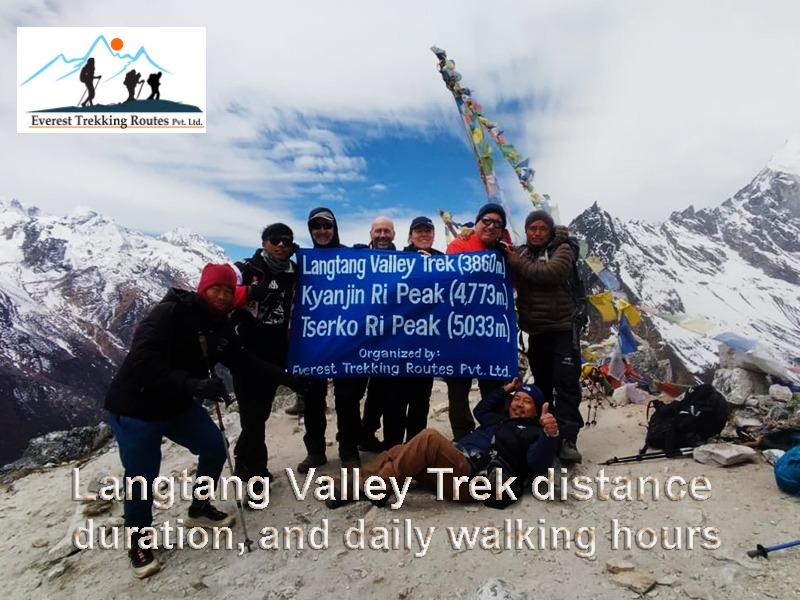
The Langtang Valley Trek runs through Langtang National Park, and the scenery shifts steadily from woodland to open mountain country. Villages along the way give you a real look at Tamang life, and the walk culminates at Kyanjin Gompa, a small monastery settlement with excellent viewpoints nearby.
Teahouses here are straightforward and welcoming. It’s a good pick if you want a proper Himalayan walk without committing to the crowds or the extreme altitude of the biggest names.
Manaslu Circuit Trek: A Remote Himalayan Journey
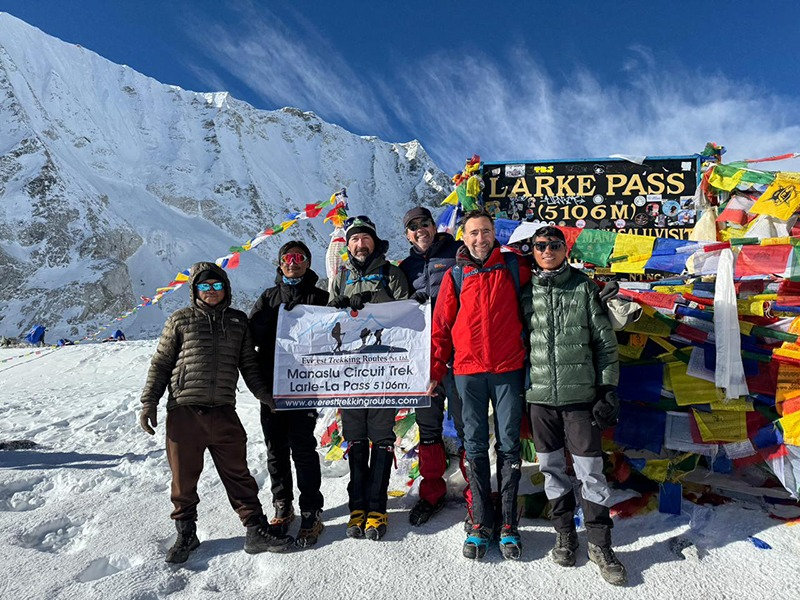
The Manaslu Circuit Trek is a true circuit, and the character of the trail keeps changing as you move through it. You’ll reach high villages like Samagaun and Samdo, where Tibetan-influenced traditions are very much alive, before crossing Larke La Pass, the big challenge of the route.
Because Manaslu is a restricted area, you need special permits and a licensed guide arranged in advance. Lodges are more basic than on busier routes, so go in expecting simplicity.
Cultural Encounters Along the Trails
Sherpa, Gurung and Tamang Communities
Each region has its own feel. Sherpa villages in the Khumbu, Gurung and Magar villages around Annapurna and Tamang settlements in Langtang differ in housing, food, festivals and daily routines. Staying in family-run lodges puts your money straight into these communities, which is one of the nicest things about trekking here.
Monasteries, Festivals and Buddhist Traditions
You’ll see prayer flags, mani walls and chortens almost every day. A simple rule helps: pass mani walls and chortens with the structure on your left, ask before taking photos inside a monastery and dress modestly. People are generally glad to explain what things mean if you ask politely.
Food and Everyday Village Life
Dal bhat, the rice and lentil set meal, is the classic trail fuel, and refills are often part of the deal. You’ll also find Tibetan bread, noodle soups and plenty of tea. Eating in the lodge where you’re sleeping keeps things simple and helps the family who runs it.
Accommodation on Nepal’s Trekking Routes
Traditional Teahouse Accommodation
A typical teahouse room has two beds, a thin mattress and blankets. There’s a shared dining room, usually the warmest spot, and bathrooms are often shared too. Hot showers may cost extra and higher up they can be scarce or unavailable. Bring a proper sleeping bag. It’s worth the weight.
Lodge Standards Across Different Regions
Don’t expect the same standard from start to finish. Everest, Annapurna, Langtang and Manaslu all differ, and conditions get simpler as you gain height or move into remote villages. Private rooms are common in busy seasons, but in peak weeks you may end up sharing.
What to Check Before Booking
Ask about room arrangements, whether meals and drinking water are included, and what charging a phone will cost. Small extras add up quickly. If you’re buying a package, check exactly what accommodation it covers so there are no surprises on day three.
Guided Nepal Trekking Packages
What a Guided Package Usually Covers
Most packages include a licensed guide, often a porter, lodging, meals as specified, trekking permits and transport such as airport transfers or domestic flights where the route needs them. What exactly is included varies, so read the details line by line.
Private Treks vs Group Departures
Private treks give you control over the pace and schedule, which suits families and small groups. Group departures are often cheaper and a good way to meet other walkers. Neither is better. It depends on how you like to travel.
How to Compare Package Prices
The lowest price isn’t always the best deal. Look at what’s covered and what isn’t: permits, transport, meals, guide and porter wages, tips, emergency arrangements and personal spending. When you’re comparing operators, such as the teams at Everest Trekking Routes, look closely at how clearly they spell out inclusions and how they treat their guides and porters. A clear itinerary tells you a lot about who you’re dealing with.
Practical Nepal Trekking Information: Planning Before You Arrive
Best Seasons for Himalayan Trekking
Spring and autumn are the usual favourites, with clearer skies and more stable weather. The monsoon brings heavy rain and leeches on some trails, while winter can be bitterly cold at altitude. Seasons affect each region a little differently, so check before you commit.
Permits and Guide Requirements
Most routes need trekking permits plus conservation or national park entry fees. Manaslu has extra restricted-area rules and requires a guide. Regulations change, so confirm the current requirements with your operator before departure rather than relying on an old blog post.
Fitness, Altitude and Acclimatisation
Start training weeks ahead with long walks, stairs and some hills. Go up gradually, take rest days and listen to your body. Know the signs of altitude sickness, such as headache, nausea and unusual tiredness, and understand that the safest answer to serious symptoms is to go down.
Packing and Essential Equipment
Layers matter most: a warm mid-layer, a waterproof shell and sturdy, well-broken-in boots. Add a sleeping bag, any personal medication, a basic first-aid kit, a way to purify water and sun protection. Sunscreen is easy to forget and very easy to regret.
Choosing the Right Nepal Trek for Your Travel Style
If iconic scenery and Sherpa heritage top your list, the Everest Base Camp Trek is the obvious fit. Annapurna Base Camp suits people who want varied landscapes and a mountain amphitheatre finish. Langtang Valley works well for Tamang culture, forests and a more accessible Himalayan trip. Manaslu Circuit is for walkers wanting remote trails, Tibetan-influenced culture and a tougher challenge. Weigh up your time, fitness, budget, altitude experience and how much comfort you need at night.
Responsible Trekking and Supporting Himalayan Communities
Respect local customs and religious sites, carry a refillable bottle instead of buying plastic ones, and spend your money in local teahouses and with local guides and porters. Leave the trail cleaner than you found it.
Experience Nepal Beyond Its Mountain Views
Nepal’s trails give you far more than peaks. You get cultures that change from valley to valley, lodges that range from rough to cosy and routes that suit very different travellers. Pick the trek that matches your interests and preparation, plan carefully, and the mountains will take care of the rest.
Contact Details
——————————–
Everest Trekking Routes Pvt. Ltd.
16 Khumbu, Nayabazaar, Kathmandu, Nepal
Mobile : +977-9843467921 (Rabin)
Email: [email protected]
