
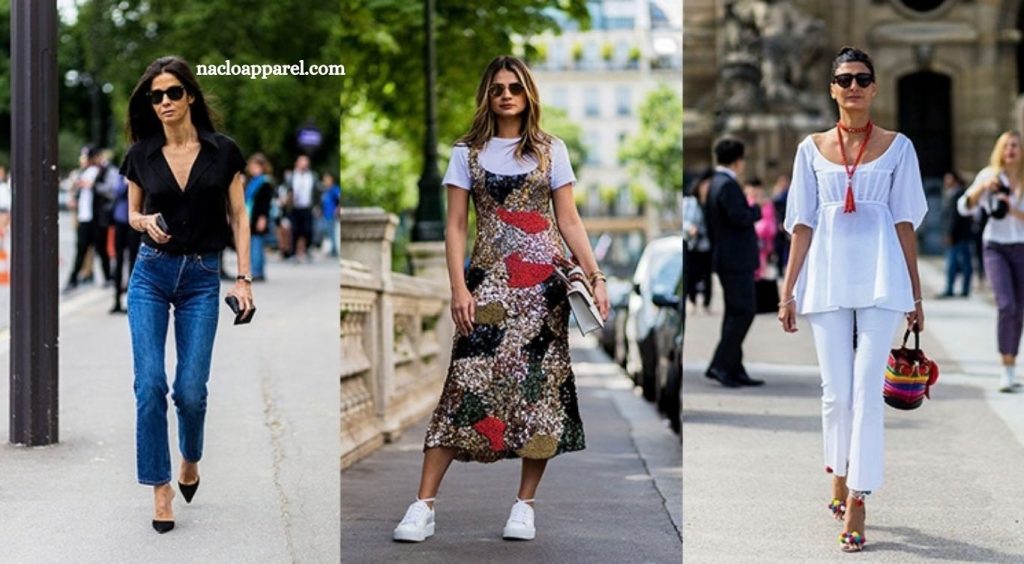
Looking stylish does not always require expensive clothes, designer labels, or a completely new wardrobe. Often, the biggest difference comes from how your clothes fit. Even simple everyday pieces can look polished when the proportions, lengths, and silhouettes work well together.
Understanding a few practical fit tricks can transform casual outfits into sharper, more intentional looks. From choosing the right trouser length to adjusting oversized pieces, small changes can improve your overall appearance without making your style feel complicated.
Choose Clothes That Follow Your Natural Shape
Good-fitting clothing should follow your body without feeling restrictive. Shirts, jackets, and sweaters should sit comfortably across the shoulders while allowing enough room for natural movement. Clothing that is extremely tight can look uncomfortable, while overly loose pieces can make an outfit appear untidy.
Read More: These Clean Outfit Combinations Make Simple Style Look Expensive
Pay close attention to shoulder seams, especially when buying shirts, blazers, or jackets. Ideally, the seam should sit close to the edge of your natural shoulder. This simple detail can make an inexpensive garment appear considerably more refined.
Get Trouser Length Right
Trouser length has a major effect on how polished an outfit looks. Pants that bunch heavily around the ankles can create unnecessary visual weight, while extremely short trousers may make the outfit look unbalanced.
For a clean everyday appearance, choose a trouser length that creates a minimal break around your shoes. Straight-leg and tailored trousers generally benefit from a neat hem, while wider trousers can work with a slightly longer length for a relaxed silhouette.
Jeans can follow similar principles. Avoid excessive stacking unless it is intentionally part of your style. A cleaner hemline usually creates a sharper appearance.
Pay Attention to Shirt Sleeves
Sleeve length is another small detail that can dramatically change an outfit. Long sleeves should generally finish around the wrist rather than covering much of the hand. When wearing a button-down shirt under a jacket, allowing a small amount of cuff to show can create a more polished appearance.
For casual shirts, rolled sleeves can also improve proportions. Keep the roll controlled rather than creating a bulky shape around the forearm. A simple, even fold looks more intentional and keeps the outfit visually clean.
Balance Oversized and Slim Pieces
Oversized clothing can look stylish, but wearing loose pieces from head to toe can sometimes remove definition from the outfit. The key is creating balance.
Try pairing an oversized shirt or relaxed sweater with straight or slightly tapered trousers. Alternatively, wider trousers can work well with a more structured or fitted top. This creates contrast between different parts of the outfit while maintaining a modern silhouette.
The goal is not necessarily to wear tight clothing. Instead, focus on creating intentional proportions.
Use the Right Tuck
A shirt tuck can instantly change the appearance of an outfit. A full tuck can create a cleaner, more structured silhouette, especially with tailored trousers or jeans. A partial tuck can provide a more relaxed appearance while still defining the waistline.
Avoid excessive fabric bunching when tucking in a shirt. Smooth the material around the waistband and allow enough room for comfortable movement. This small adjustment can make casual clothing appear considerably more put together.
Make Outerwear Fit Properly
Jackets, coats, and blazers often determine the overall shape of an outfit. If outerwear fits poorly, even well-chosen clothes underneath may look less polished.
Shoulders should sit naturally, sleeves should reach the appropriate point on the wrist, and the garment should close comfortably without pulling across the chest. A jacket that fits correctly creates structure around the upper body and immediately gives an outfit a more refined appearance.
For casual outerwear, avoid automatically sizing up simply because you plan to layer. Choose enough room for a sweater or shirt while maintaining the intended silhouette.
Check Your Clothing From Every Angle
Many people evaluate clothing only from the front. However, fit problems can become more obvious from the side or back. Before leaving home, check how your outfit looks while standing, walking, and sitting.
Look for pulling around buttons, excessive fabric around the waist, uneven hems, or trousers gathering heavily around the shoes. These details can reveal whether an item needs tailoring or whether another size would work better.
A few seconds of checking your outfit from different angles can prevent small fit problems from affecting the entire look.
Know When Tailoring Is Worth It
Tailoring does not have to mean completely redesigning your clothes. Simple adjustments can make a significant difference. Trouser hems, sleeve lengths, waist adjustments, and minor shirt alterations are often enough to improve the fit.
Tailoring can be particularly valuable for basic wardrobe pieces that you wear frequently. A well-fitting pair of trousers or a properly adjusted jacket can become more versatile than several poorly fitting alternatives.
When shopping, consider the quality and structure of the garment as well as its initial fit. Minor alterations are usually easier than trying to completely change the shape of a poorly constructed piece.
Keep Proportions Consistent
Sharp outfits usually have a clear relationship between different clothing pieces. This does not mean every item needs to have the same level of formality. Instead, the proportions should feel intentional.
For example, a cropped jacket can work well with high-rise trousers because the combination creates a defined upper and lower section. A longer coat can pair effectively with straight-leg trousers because the extended silhouette creates visual continuity.
Understanding proportions makes it easier to experiment with different styles while maintaining a balanced appearance.
Avoid Excess Fabric
Extra fabric can make even quality clothing appear messy. Pay attention to areas such as the waist, sleeves, shoulders, and trouser legs. If fabric consistently gathers where it should not, the garment may be too large or require alteration.
This does not mean eliminating relaxed clothing. Loose silhouettes can look excellent when designed that way. The difference comes from intentional structure. Relaxed clothing should still maintain a clear shape rather than appearing accidentally oversized.
Choose Fit Over Trend
Fashion trends change quickly, but good fit remains relevant. A trendy garment will not necessarily improve your appearance if its proportions do not work for you.
Instead of copying every new silhouette, understand which cuts complement your preferred style and body proportions. Once you know what works, you can incorporate current trends without sacrificing comfort or confidence.
The best everyday wardrobe combines personal style with practical fit. Clothing should make movement easy while creating a deliberate overall appearance.
Frequently Asked Questions
Why is clothing fit important for everyday outfits?
Proper fit creates a cleaner silhouette and makes even simple clothing look more polished.
How should trousers fit for a sharper appearance?
Trousers should sit comfortably at the waist and have a clean hem without excessive bunching around the shoes.
Should oversized clothing be avoided?
No. Oversized pieces can look stylish when balanced with more structured or streamlined clothing.
How should a shirt fit around the shoulders?
The shoulder seams should sit close to your natural shoulder edges without pulling or dropping too far down.
Can tailoring improve inexpensive clothes?
Yes. Simple alterations such as adjusting sleeves, hems, or waistlines can significantly improve the overall fit.
How can I balance proportions in an outfit?
Pair relaxed pieces with structured or streamlined items to create visual balance without sacrificing comfort.
What is the easiest way to make an outfit look sharper?
Start with correct clothing lengths, clean silhouettes, wrinkle-free fabrics, and a fit that allows comfortable movement.
Conclusion
Looking sharper does not require a completely new wardrobe or expensive designer clothing. The right fit, balanced proportions, proper trouser length, clean sleeves, and well-fitted outerwear can instantly improve everyday outfits. Small adjustments often create the biggest visual difference.
